Cuenca
search favorite_border 0 infoIcon
English

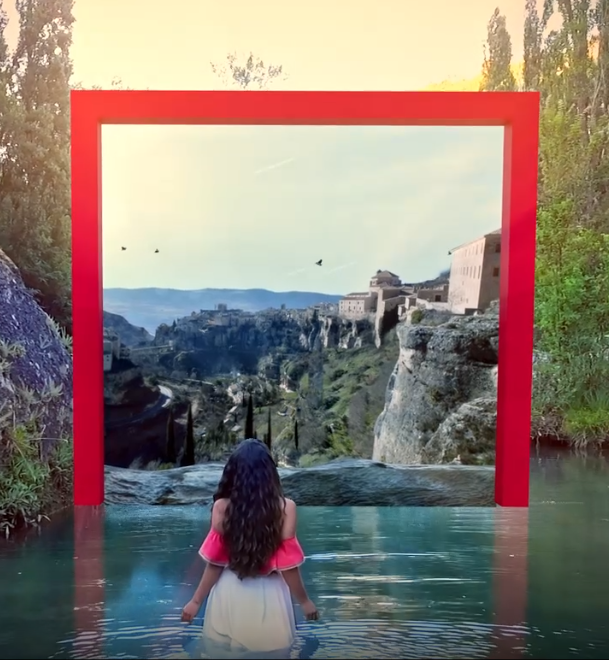
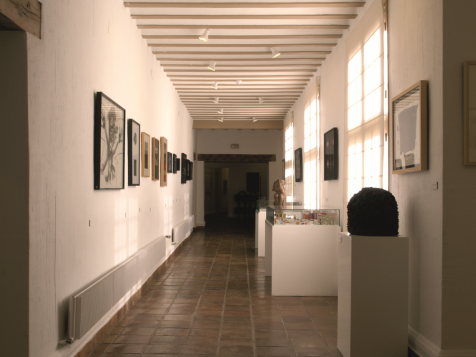
Cuenca is known worldwide for its perfect symbiosis with contemporary art and has been at the forefront since the seventies in the XX century.

Three fundamental and complementary spaces, the Museum of Abstract Art (El Museo de Arte Abstracto), the Torner Space (el Espacio Torner), and the Antonio Perez Foundation (La Fundacion Antonio Perez), holding essential collections play an important role in understanding the artistic trends that crossed the Atlantic and made their own name in the city.

Joyful coincidences spurred this explosion of creativity that attracts hundreds of travelers from all over the world each year. Gustavo Torner, born in Cuenca and the Spanish-Philippine Fernando Zobel of Ayala are known as the fathers of the “Group of Cuenca.” They founded the Museum of Abstract Art in the Hanging Houses (Casas Colgadas) in 1966.

The great artistic center grew at the same time as the tourism boom arrived in Spain. It marked a milestone that changed the history of the city. Zobel, trained in Harvard, brought new ideas from New York and anchored them into the cliffs that sustain the city. In Cuenca’s schools, Antonio Lorenzo, Manuel Millares, Bonifacio Alonso, Canogar, Sempere, Antonio Lorenzo, Luis Feito, Martin Chirino, Segundo Gamez and Antonio Saura and more are incorporated into their learning material. Some schools had already been a part of “The Step” or “El Paso.”

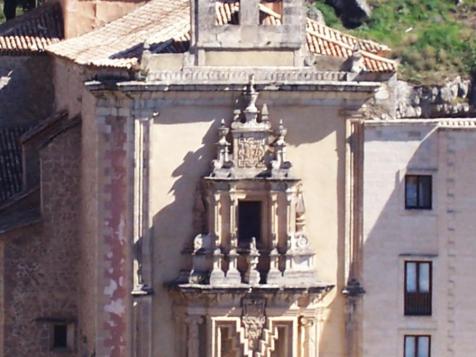
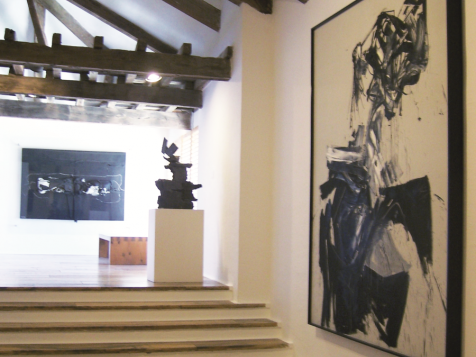
The Museum supplements the Torner Space, open since 2005 in the San Pablo Church, with forty sculptures and paintings of the artist. Along with the Provincial Foundation of Culture Antonio Perez, created in the year 1998 thanks to a donation by the artist, collector, and editor, created a provincial council. More than 3,000 paintings sculptures and graphic artwork reside in an antique convent of the Barefooted Carmelites (Carmelitas Descalzadas) of the XVII century. In the signatures, there are important figures such as Lucebert, Valerio Adamy, Andy Warhol, Luis Gordillo, and the Equipo Cronica. A good portion of the most valued heritage of modern art is seen between the gorges of the rivers Huecar and Jucar.

It is well worth the visit.
 

Oficina Municipal de Turismo

Calle Alfonso VIII 2 ES 16001 CUENCA

+34 969 241 051https://visitacuenca.es/ ofi.turismo@cuenca.es
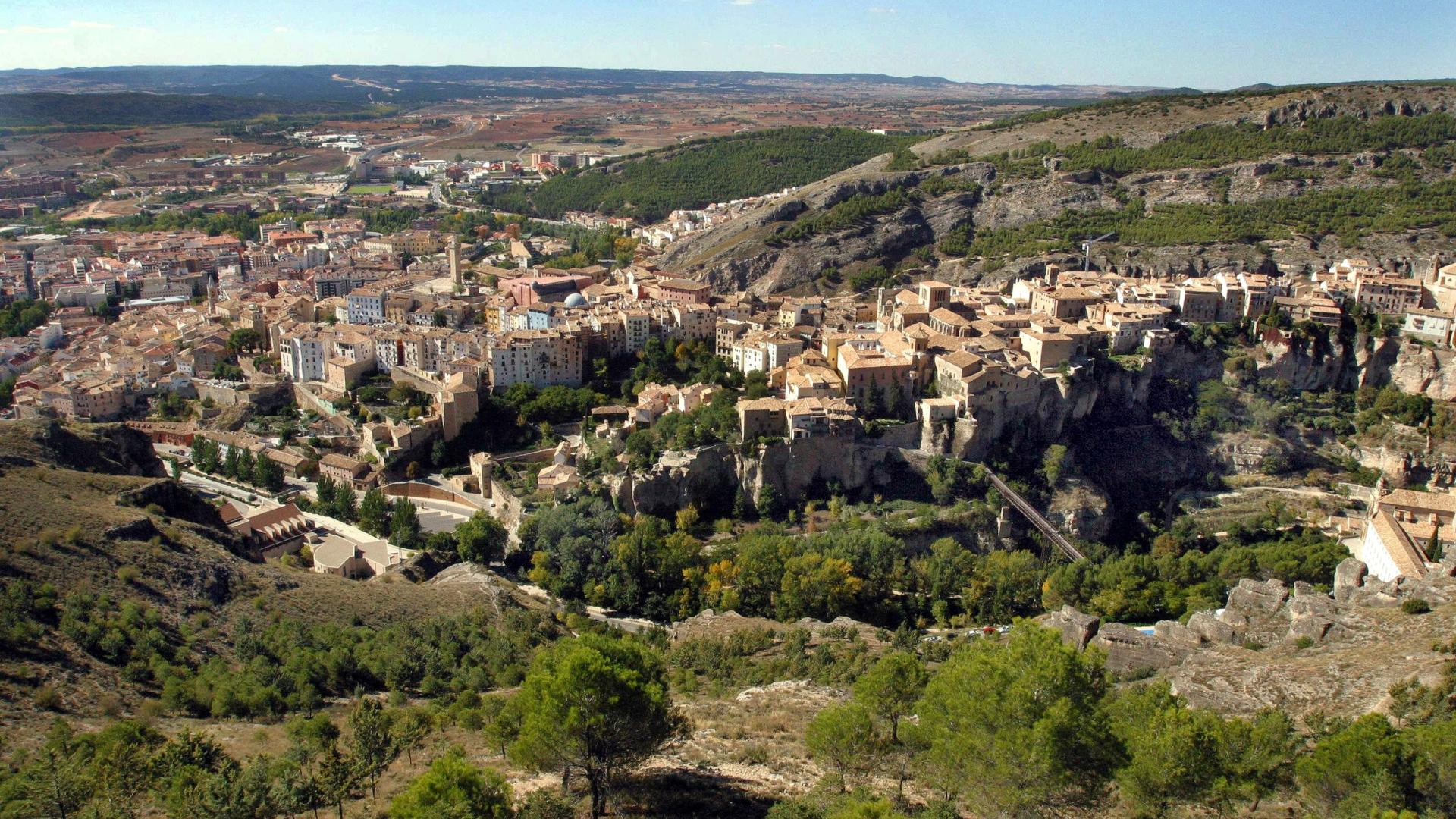
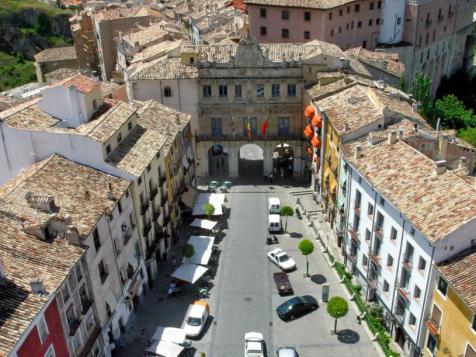
The city’s most stunning characteristic is its beauty that recalls on the one hand, the harmony between nature and architecture, and on the other hand, its long history that has left us with a significant cultural and monumental legacy. On December 7th, 1996, Cuenca was named World Heritage Site by UNESCO, thanks to the excellent preservation of such an original urban landscape like this medieval fortress, and its rich collection of civil and religious architecture from the 12th to the 18th centuries. To this they added that the city features an exceptional personality, being perfectly integrated into the marvellous natural landscape that surrounds it

Oficina Municipal de Turismo

Calle Alfonso VIII 2 ES 16001 CUENCA

+34 969 241 051https://visitacuenca.es/ ofi.turismo@cuenca.es
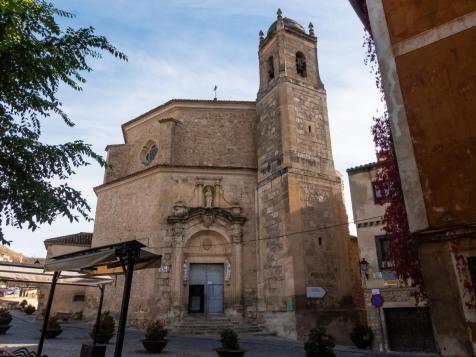
Religious tourism is a part of the essence of Cuenca, declared World Heritage site by UNESCO and home of the most french gothic Cathedral of Spain cited by Galdos as being a “mystery of silence and darkness,” It is the first Gothic temple in Castile.

The list of must see places is almost never-ending: it includes, the church of Santiago and San Pedro situated in the Plaza of Trabuco, located in the highest part of the city where in the XVI century it was already a rich Castilian street that seduced the most brilliant flemish, italians and french masters.

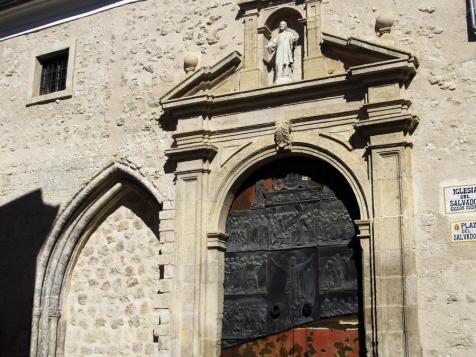
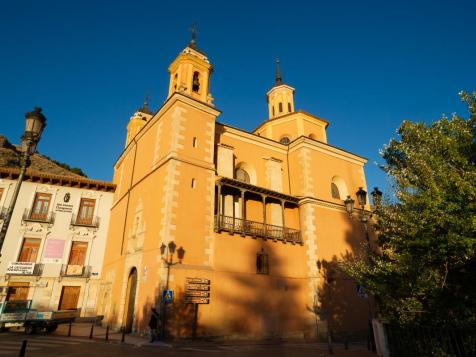
El Salvador church finds its origins in the medieval era. It shares its name with the neighborhood that houses this holy place. The procession of Las Turbas begins its journey at the church. Inside, we can find excellent examples of Baroque architecture, along with beautiful images of the Holy Week.

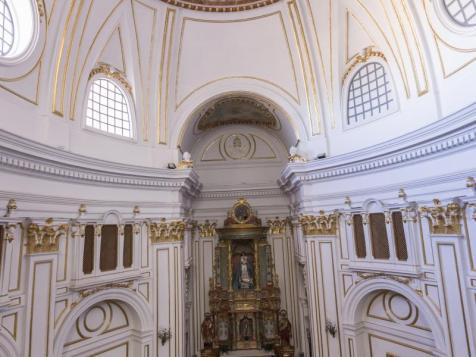
To continue discovering the XVIII century of Cuenca, nothing compares to entering into the spectacular San Felipe Neri church, built to provide shelter to the members of this religious institution. Its interior resembles its brotherhood San Juan de Letran (Roma).

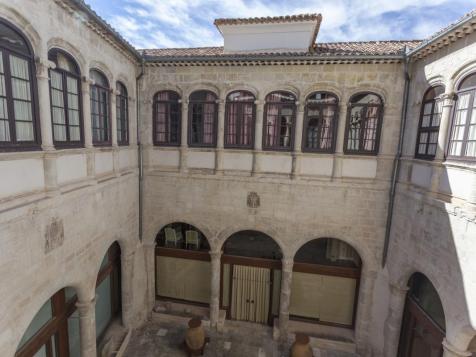
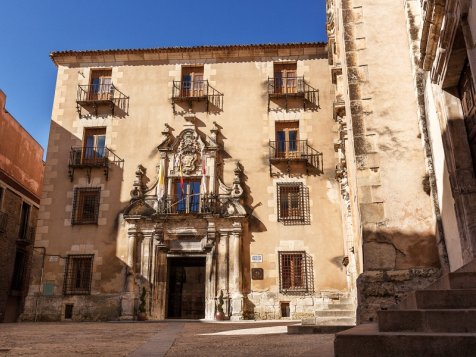
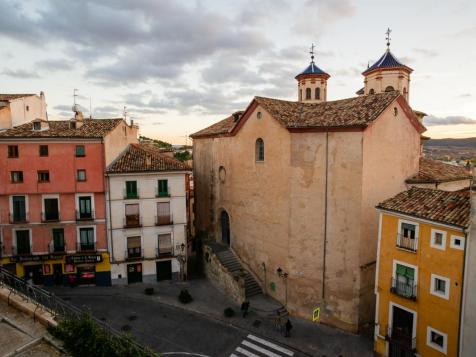
When the traveler thinks all the majestic places are revealed, the splendor of the churches of Virgen de la Luz and Santa Cruz. Virgen de la Luz church shows a perfect example of religious rococo style while Santa Cruz church, in the present day, is used as a contemporary art center (Roberto Polo Collection). The Concepcion Franciscana Monastery is categorized as a National Artistic Monument and the Bishop's Palace where the Diocesan Museum is located, also have to be a part of this passionate journey of art, culture, history, and devotion.

Oficina Municipal de Turismo

Calle Alfonso VIII 2 ES 16001 CUENCA

+34 969 241 051https://visitacuenca.es/ ofi.turismo@cuenca.es
Pages

Subscribe to RSS - What to see