English
 Español
Main Square
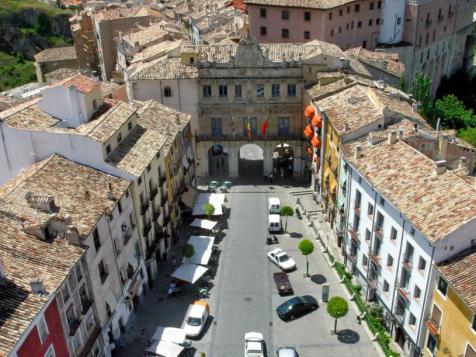
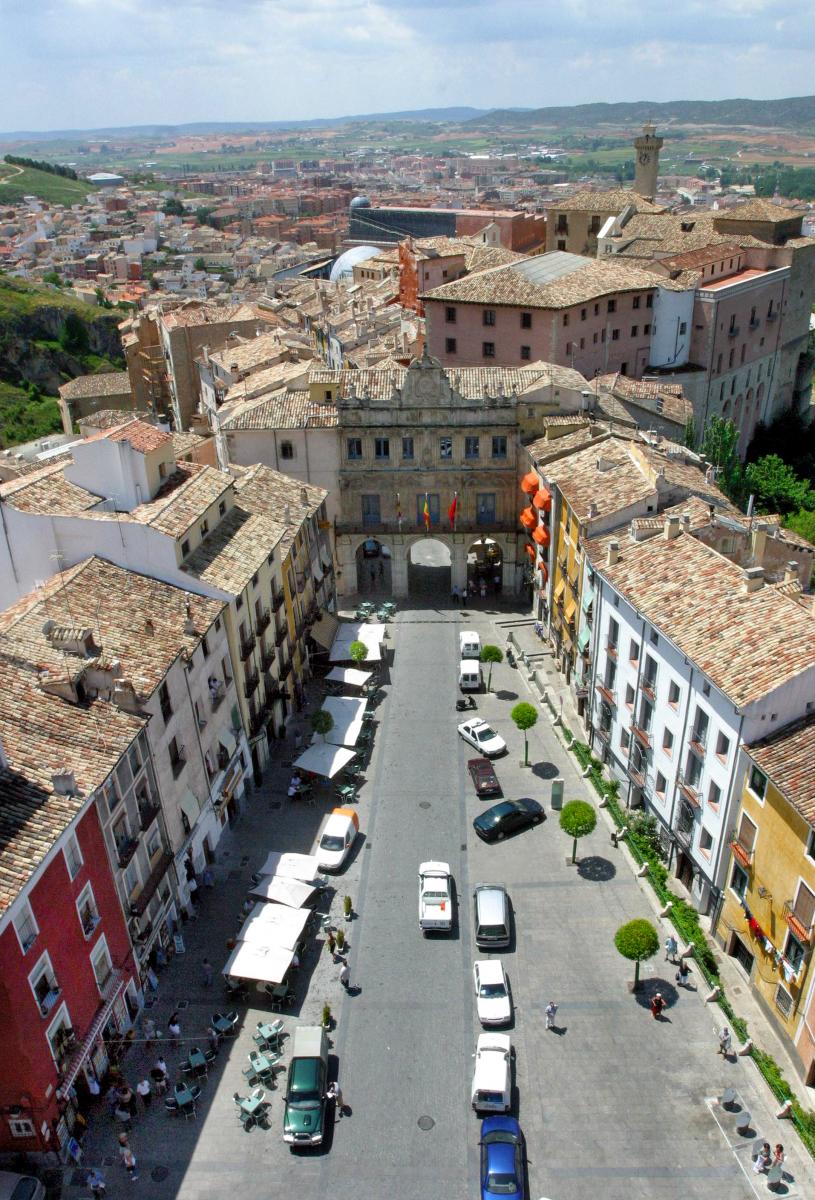
Irregular surface, approximately trapezoidal, authentic linking hub of a diversity of urban elements. At the entrance is the Town Hall, an impressive building from the time of king Carlos III raised on three round arches.
 Únete
Únete
Si tiene alguna duda no dude en ponerse en contacto con nosotros:
soportedti@cuenca.es

Irregular surface, approximately trapezoidal, authentic linking hub of a diversity of urban elements. At the entrance is the Town Hall, an impressive building from the time of king Carlos III raised on three round arches.
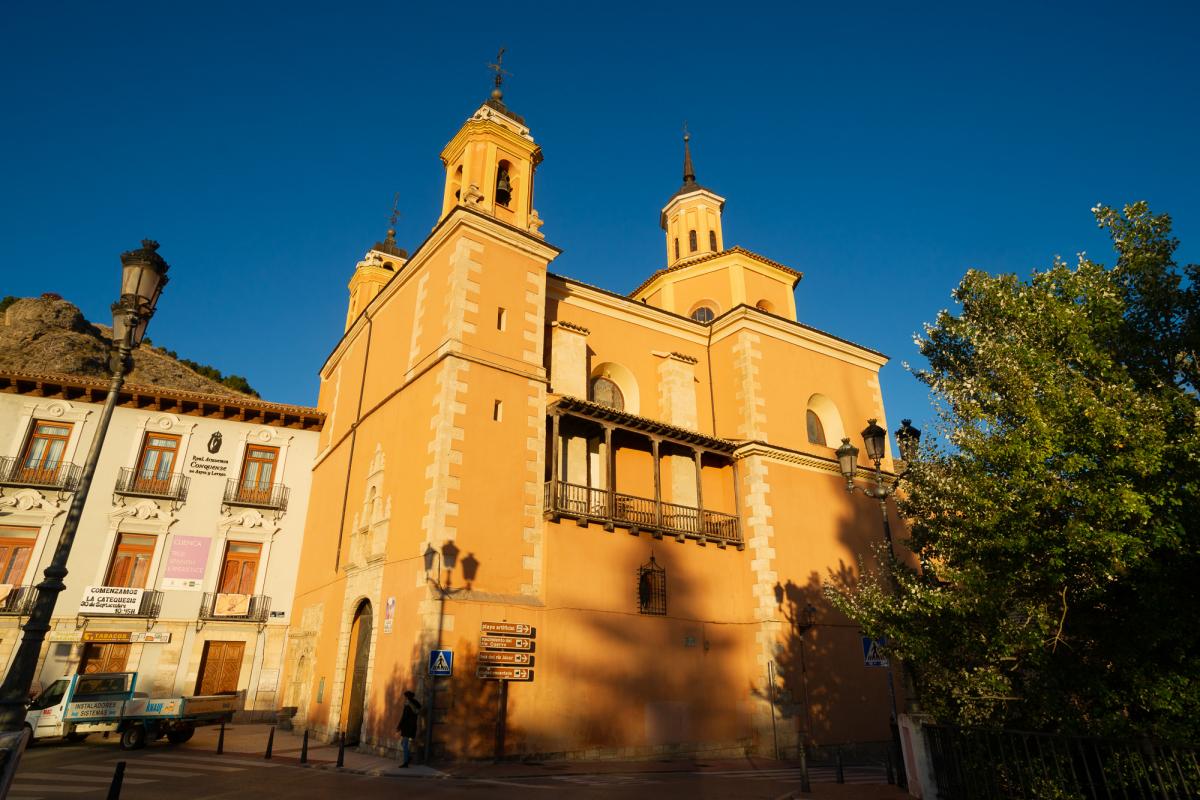
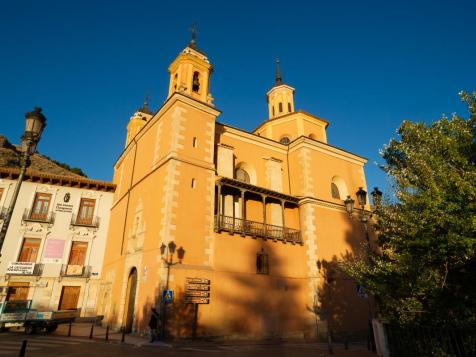
Enormous building facing three streets, with a beautiful church from the sixteenth century, renovated by Martin de la Aldehuela in the eighteenth.
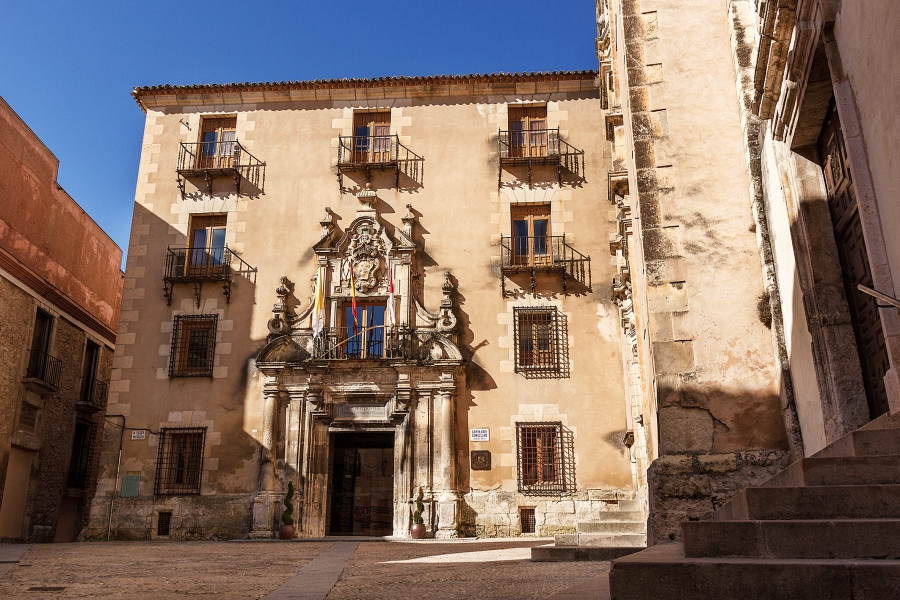
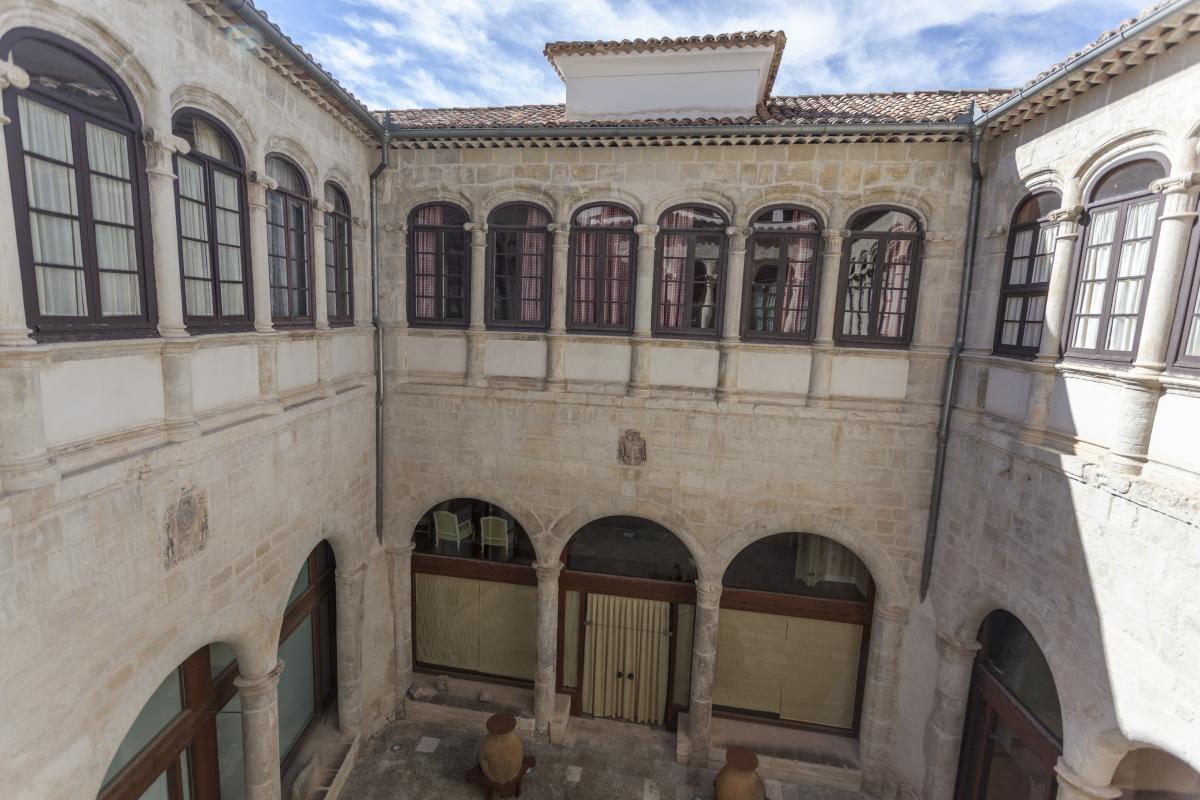
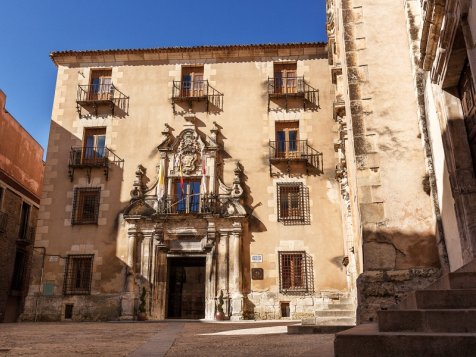
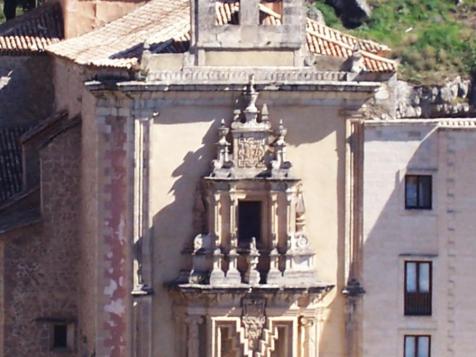
Built in 1745 for Bishop Jose Flores Osorio. Erected on the remains of marquee de Siruela´s palace. Its great Baroque front stands out and a magnificent Gothic, by the Master of Horcajo
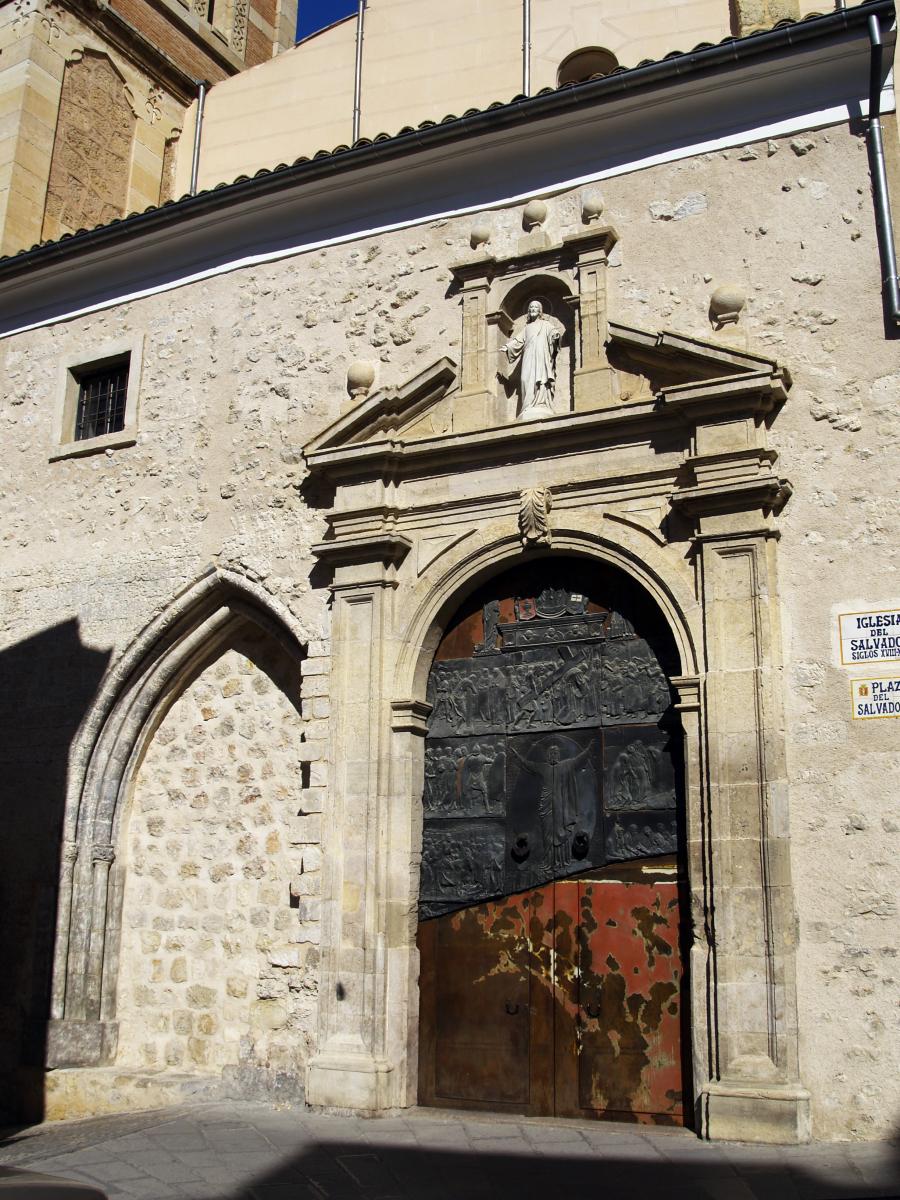
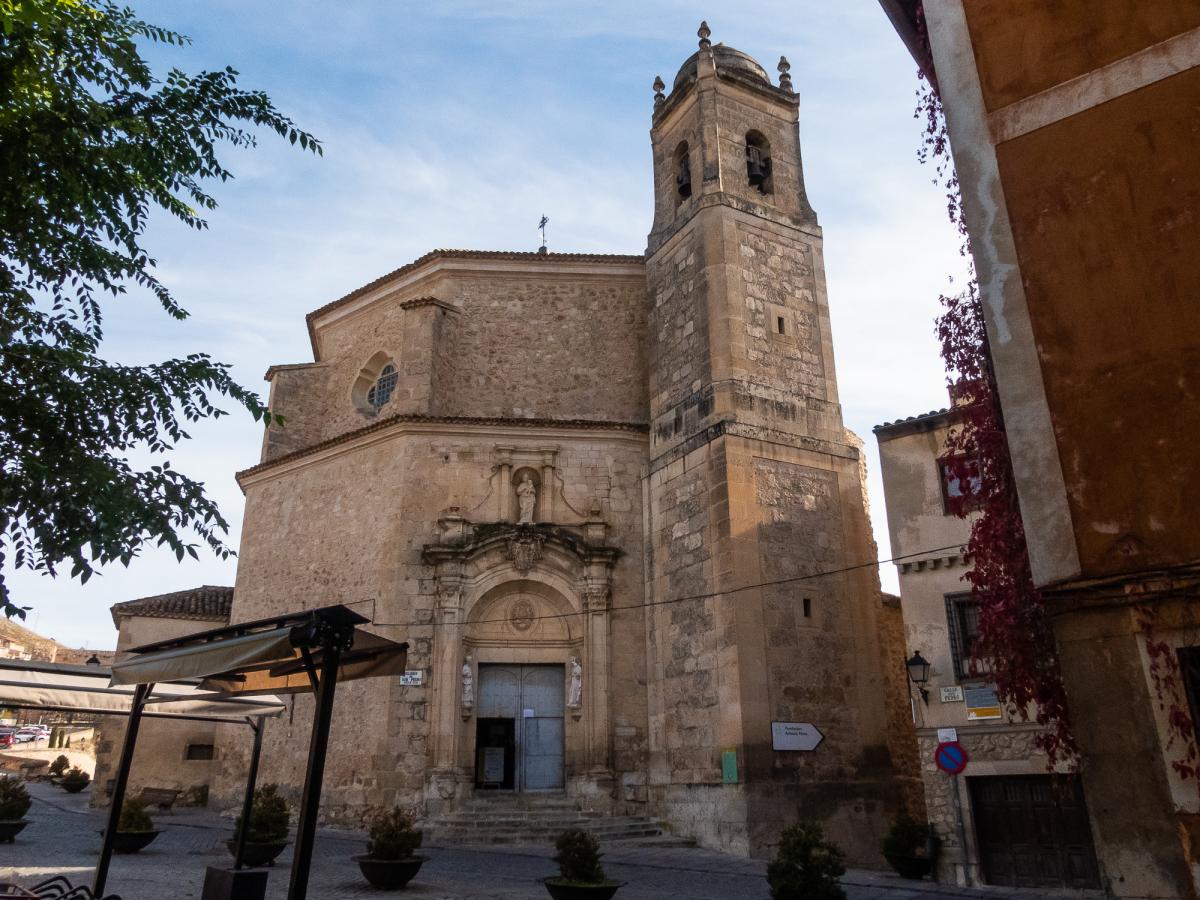
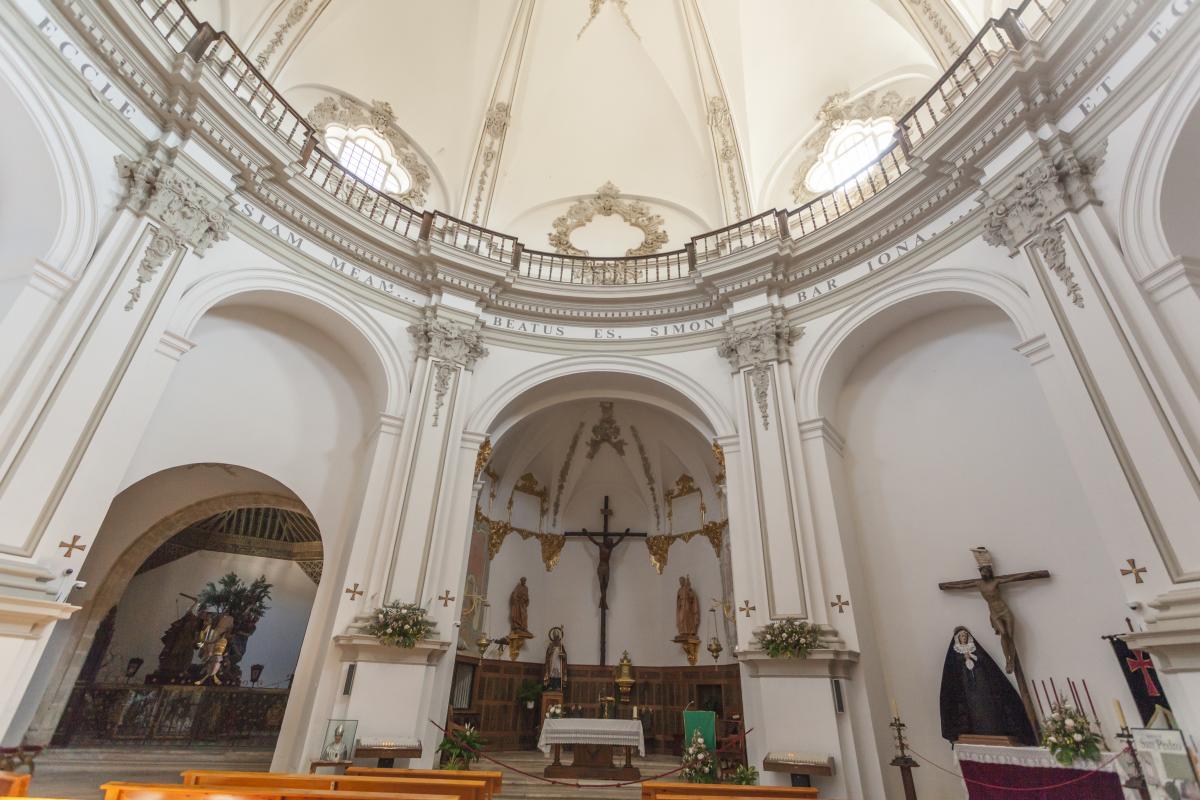
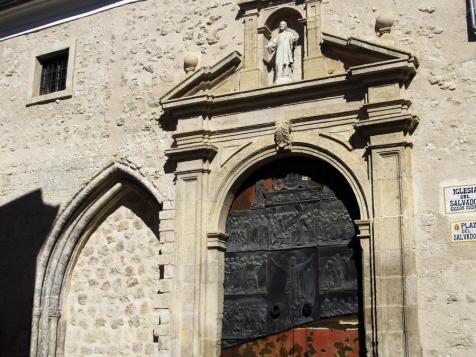
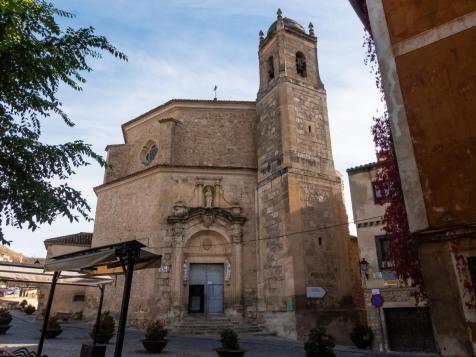
The church was built in the late Middle Ages. The building has incorporated various modifications and remodeling works throughout the fifteenth to nineteenth centuries, to present its current state. The tower is from the twentieth century. There are many altars, some Baroque, covering the entire nave; you can also find some of the religious figures used in the parades during ¨Holy Week¨ in Cuenca; one stands out for its popularity, the one of ¨Jesus of Nazareth¨ which is carried during the midnight parade on Good Friday.
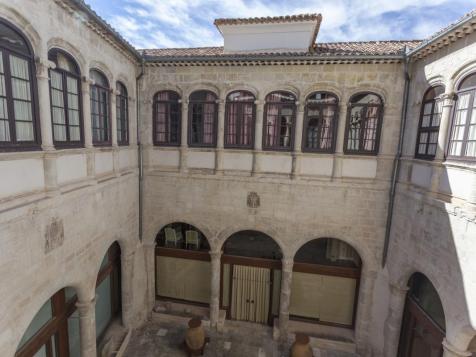
Striking building, which construction began in 1523, meant to be a Dominican convent, taking advantage of the rocky structure of the river gorge. The magnificent church of decadent gothic style and the front is from the transition between baroque and rococo. The monastery complex, has great diversity, the cloister and a couple of beautiful halls are worth mentioning. The building has been transformed into a Parador Nacional (luxury country inn).
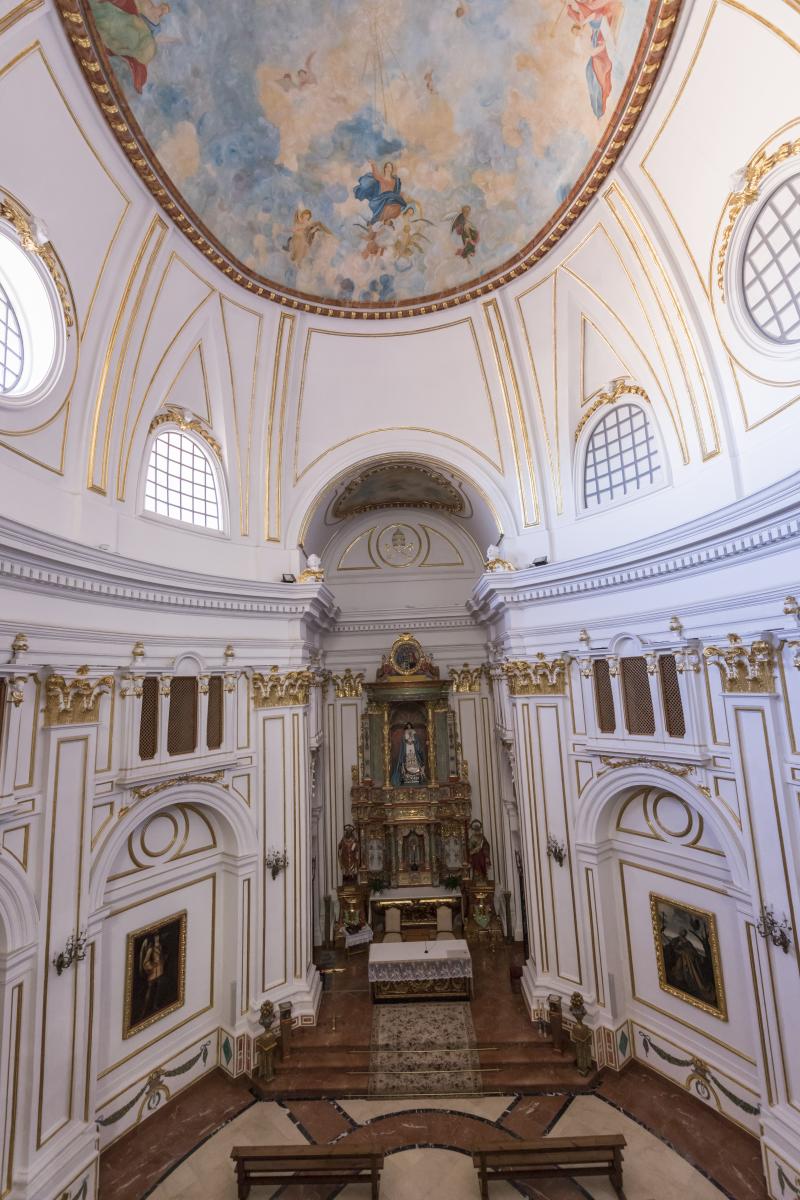
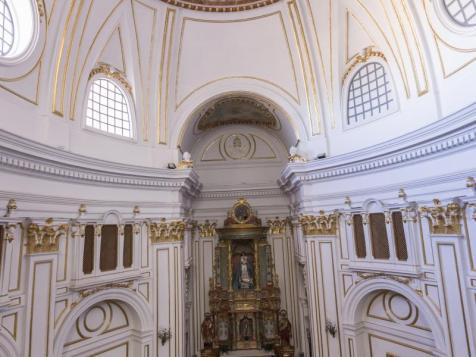
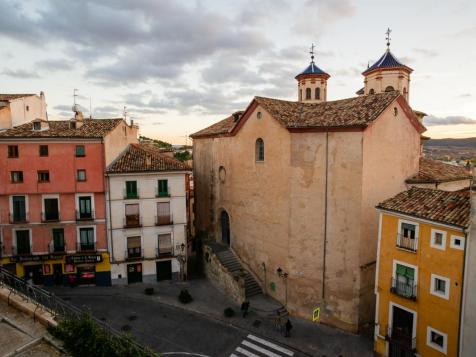
Located in the unique and attractive Trabuco square, it has an octagonal shape outside and circular inside. Its origin is romantic but it has suffered so much damage over the centuries that we can actually consider it a work of the XVIII century, renovated by Jose Martin de la Aldehuela. The front of the building is baroque. There is a chapel inside with splendid Mudejar artwork.
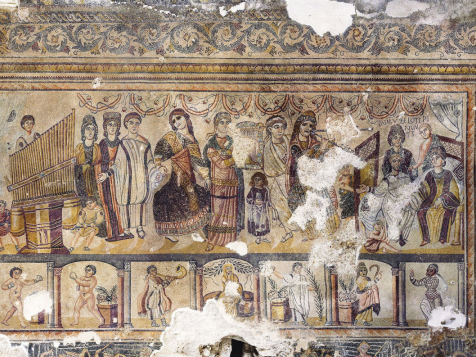
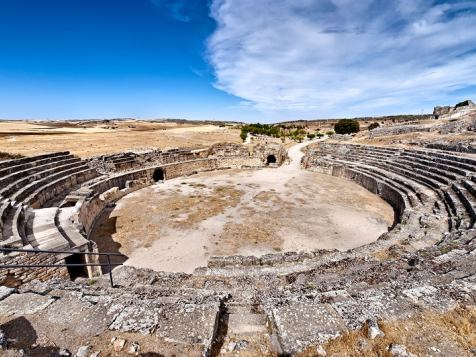
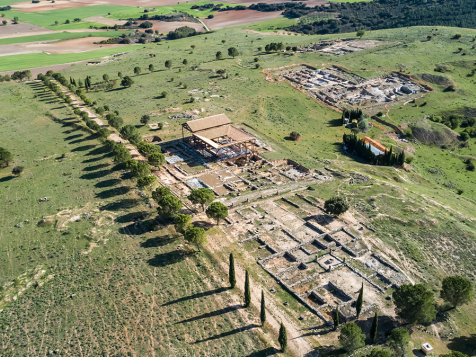
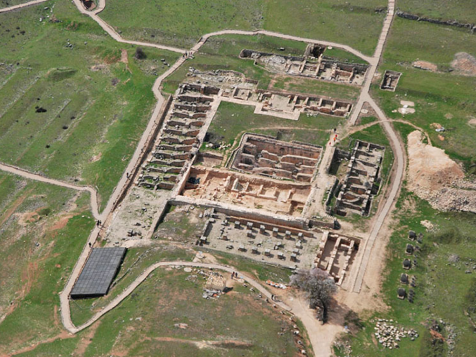
In the surroundings near the city of Cuenca there are several settlements that show the forms of occupation and economic exploitation of a territory of the Roman Empire. Three archaeological sites of what were the Roman cities of Ercávica, Valeria and Segóbriga can be visited in the province. All three were episcopal headquarters in Visigothic times, which shows the continuity of settlement in these lands in Late Antiquity and the High Middle Ages. In addition, the lands surrounding the city were profusely occupied by rural settlements, such as the monumental Villa Romana de Noheda.
+34 969 241 051https://visitacuenca.es/ ofi.turismo@cuenca.es
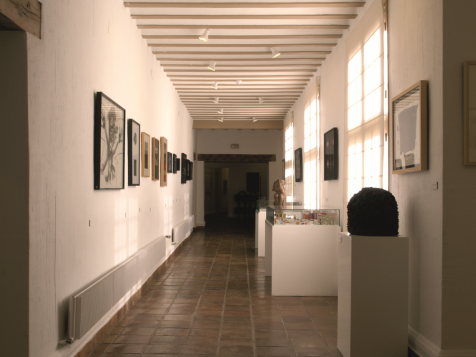
Cuenca, a great open-air exposition by itself, offers the tourist one of the most complete museum collections of Spain with two significant advantages: a variety and cluster of the enclaves in a space intended for human hiking, which makes it ideal for walking from place to place while enjoying the art and beauty surrounding the city.
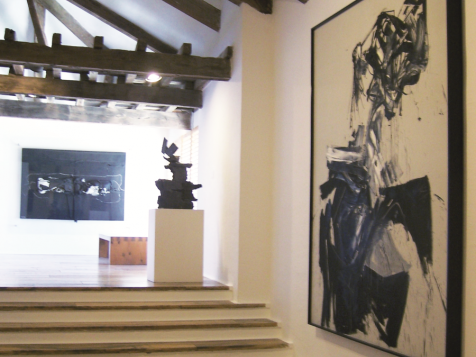
Children and adults are fascinated by the Science Museum (el Museo de las Ciencias), in the heart of the city, with activities such as a 3D ride in a time machine… But best of all is that in a matter of minutes visitors traverse from the latest discoveries in history, safeguarded in the Treasure of the Cathedral Museum (Museo del Tesoro de la Catedral), with works from El Greco and the famous Byzantine brochure (Diptico Bizantino) or Despotas del Epiro Relic of the XVI century, to the Archeology Museum (Museo Arquelogico) that explains Cuenca’s origins. In contrast, the Abstract Art Foundation Museum focuses more on art that is not representative of the XX century.
The Antonio Perez Foundation, the Torner Space, and the Zabala House (Casa Zabala) summarize this unending tour through collections and fixed or traveling exhibitions. They are connected with the Holy Week Museum, in the Giron and Canizares House (la Casa de los Giron y Canizares), and the Paleontology Museum.
+34 969 241 051https://visitacuenca.es/ ofi.turismo@cuenca.es