Cuenca
search favorite_border 0 infoIcon

La Condenada Mine


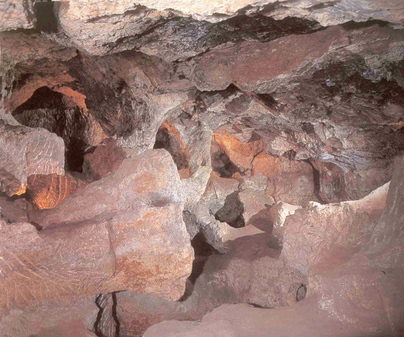
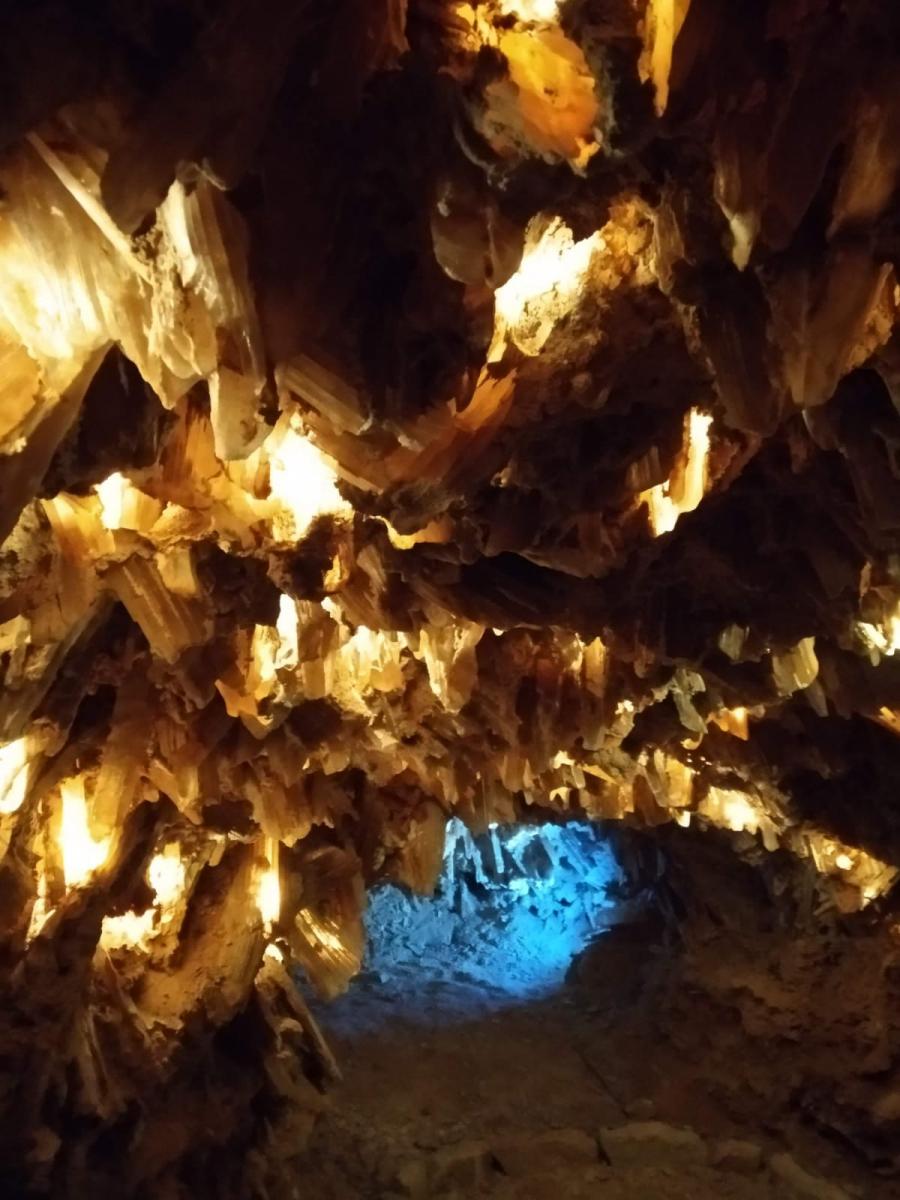
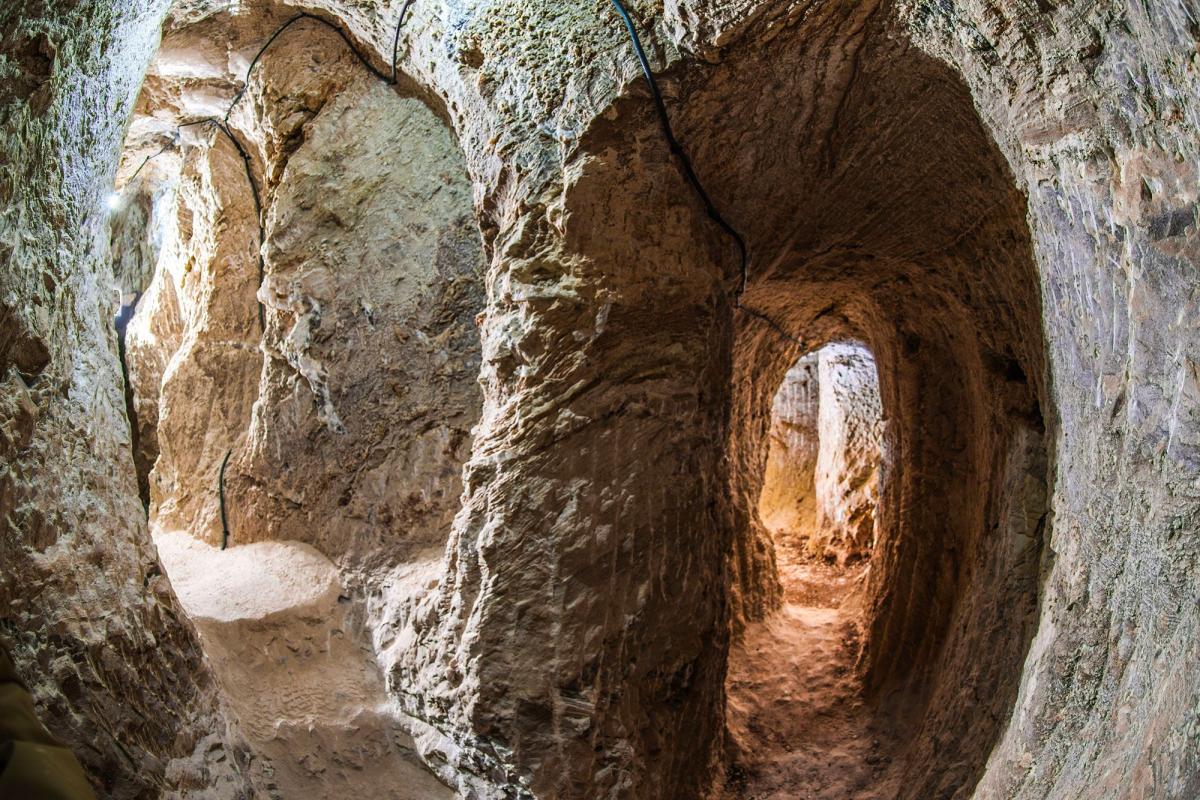
Roman mine 'La Condenada' is located in the Cuenca town of Osa de la Vega, forming part of one of the most extensive and interesting mining complexes of lapis specularis in Castilla-La Mancha. From there the specular plaster or glass was extracted, which due to its size and transparency the Romans used as glass, exploiting and distributing the mineral from this area to the entire Empire. This mine has a labyrinthine plot and a development of almost a kilometer of underground route on three levels accessible to each other.
Docs

lapis_specularis_cristal_del_imperio.pdf articulo_lapis_specularis_1.pdf

Lapis Specularis Mines of Saceda del Rio


Cuevas del Sanabrio can be visited so that the public knows what this material was like and how it was extracted by the Romans. A mineral that was the economic engine of the entire region for practically a century and a half that is located in very few places in Europe. A highly recommended and unique visit where you can enter ancient Roman galleries and learn how they were illuminated, how they worked and how they extracted a crystal that was sold throughout the Mediterranean.

Docs

articulo_lapis_specularis_1.pdf lapis_specularis_cristal_del_imperio.pdf

Ercávica City (Archaeological site)


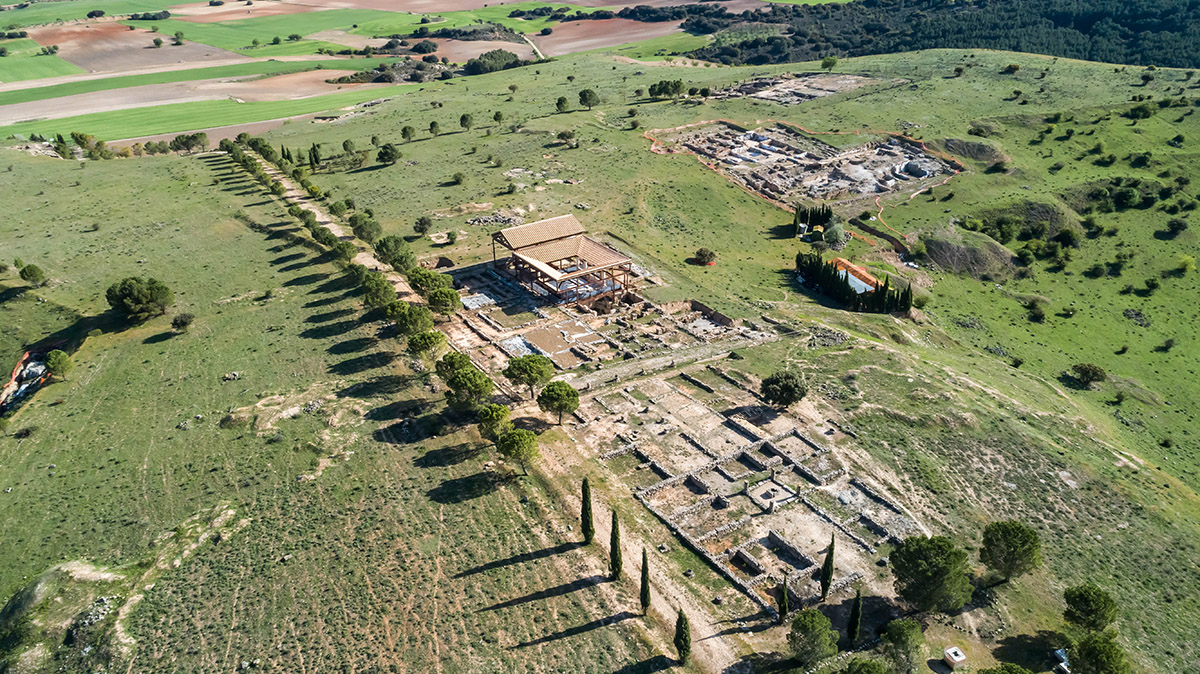
The first historical mention of the city is situated in the context of the Roman conquest of Hispania, when in the year 179 B.C. surrenders to the Praetor of Hispania Citerior Tiberio Sempronio Graco. The Roman Ercávica is a city founded ex novo, in which a regular urban layout is clearly evident and in which its streets adopt an orthogonal layout, with the public and private buildings typical of a Roman city. During the 4th century A.D.

Docs

yacimiento_ercavica.pdf

Villa Romana de Noheda


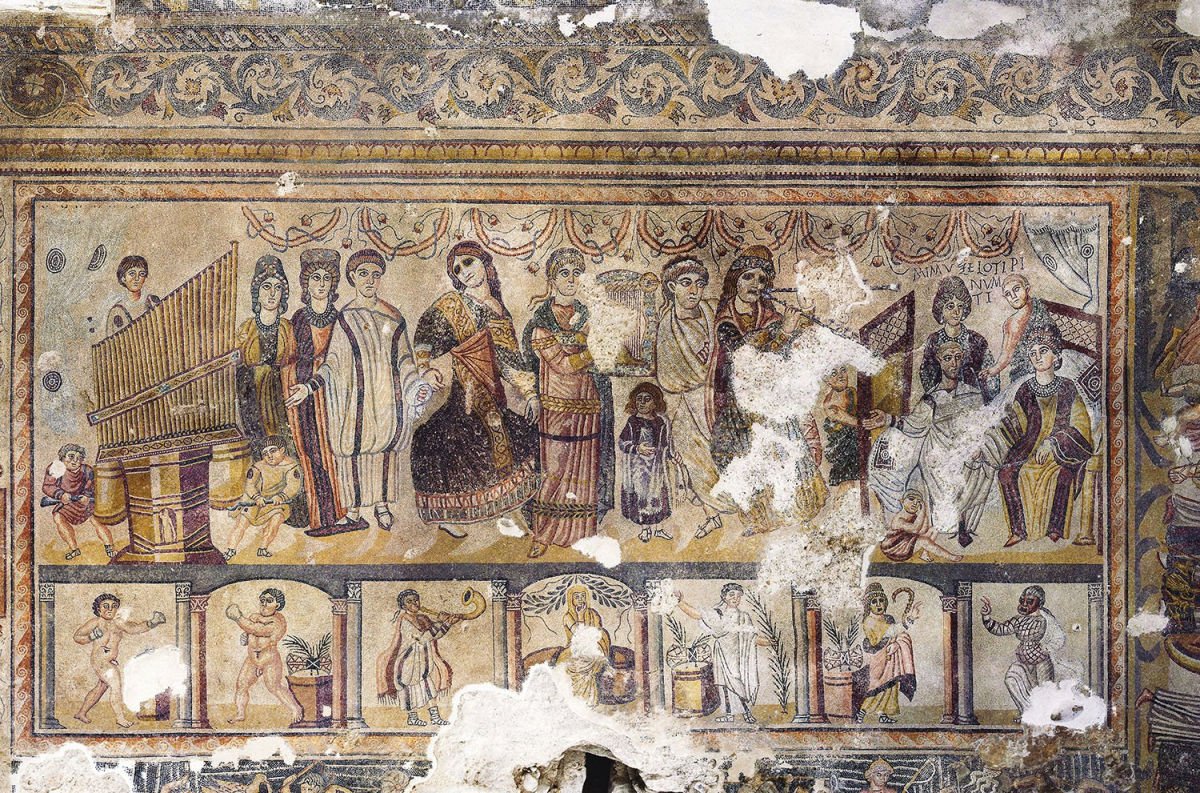
The discovery of the mosaics from the luxurious Roman villa of Noheda (4th century) has been one of the most relevant discoveries for archeology in recent years. The archaeological site is located 18 kilometers north of the city of Cuenca, near the town of Noheda (Villar de Domingo García). The Noheda mosaic is exceptional and no other figurative pavement with these dimensions and with such a complex and varied iconographic structure is known in the territory of Hispania.

Docs

el_triclinium_de_la_villa_de_noheda.pdf

Enchanted City


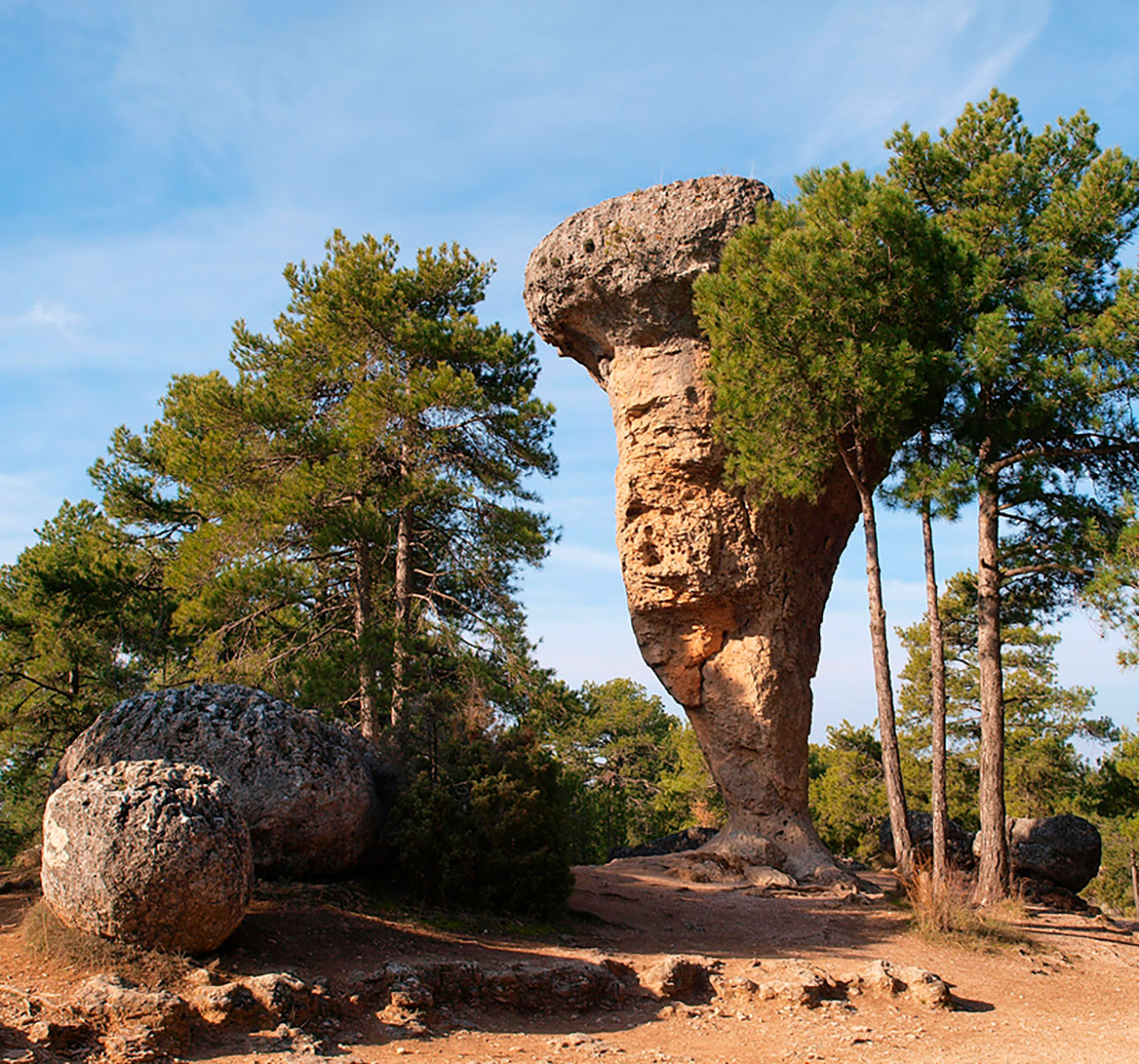
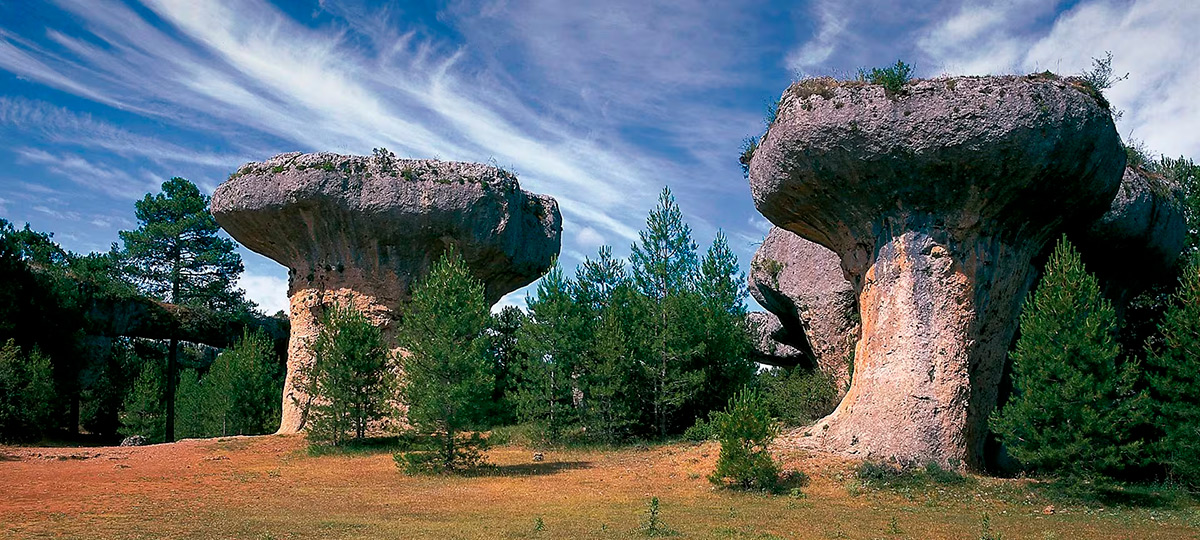
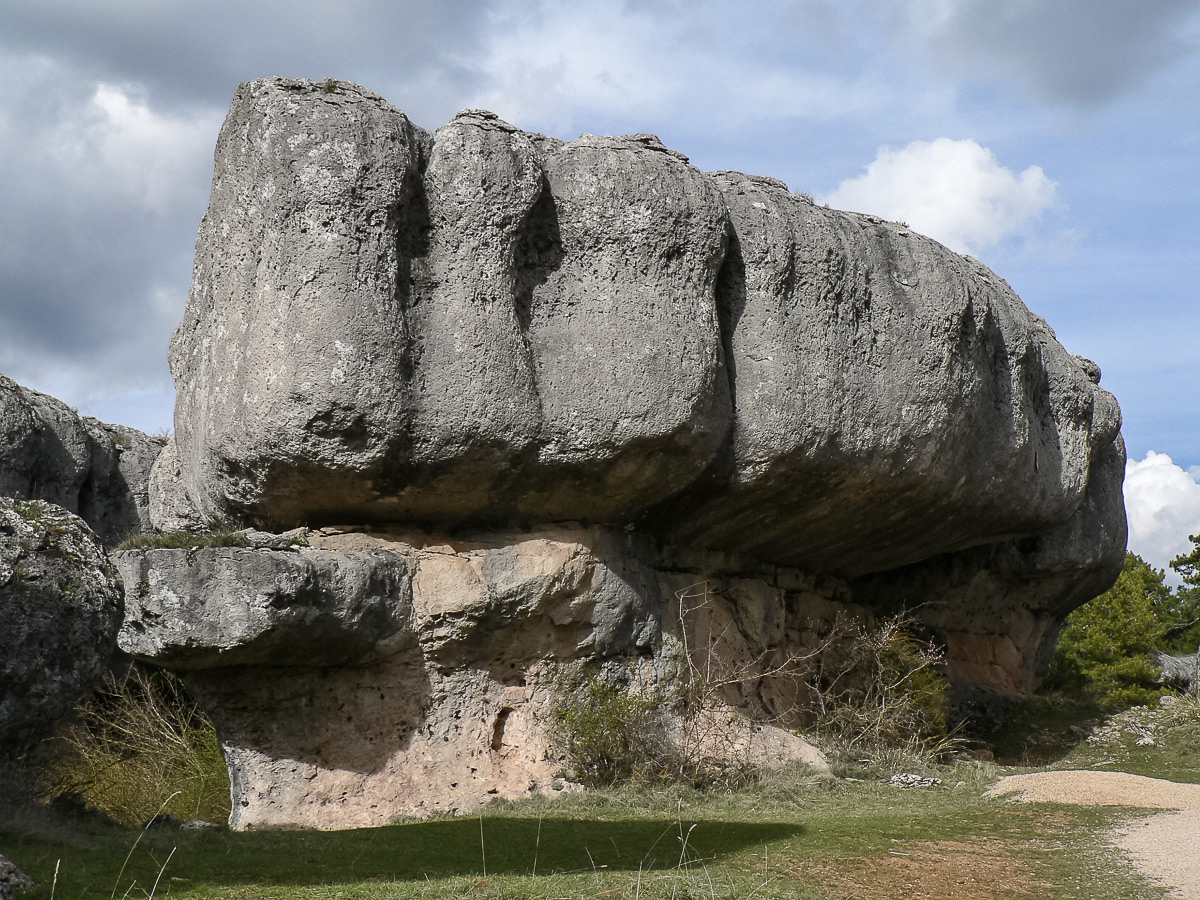
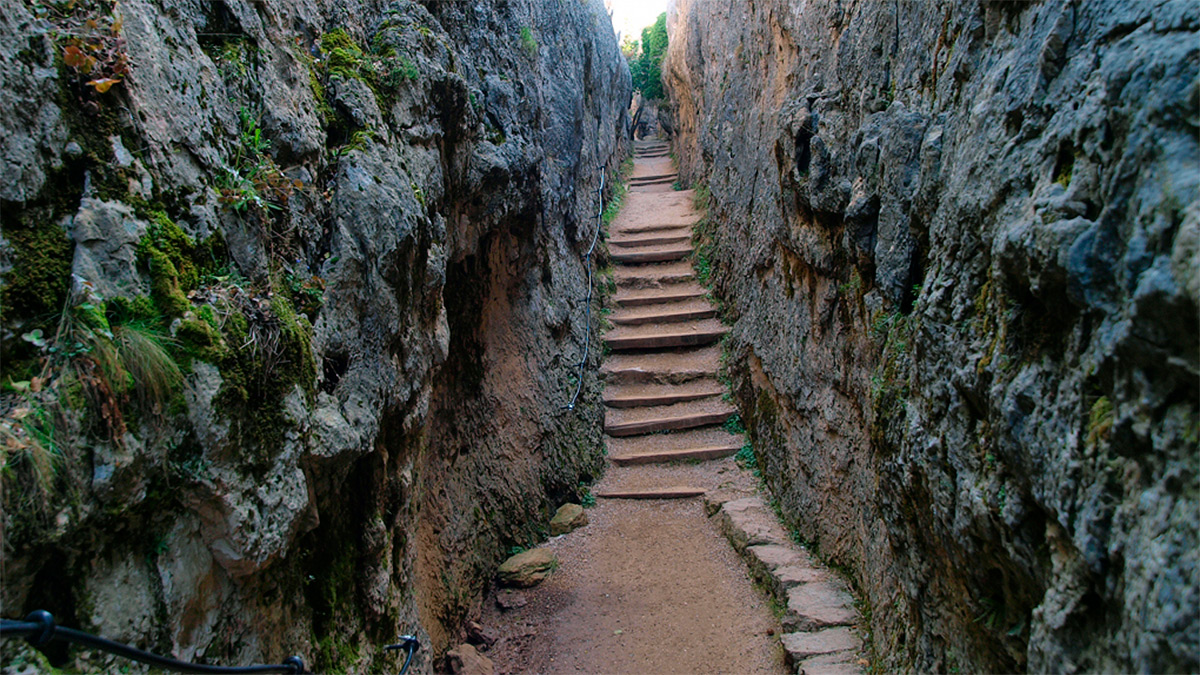
Between the villages of Uña and Villalba de la Sierra, the passing of river Jucar creates a gigantic and impressive canyon. It is here, at an altitude of almost 1500 meters, where nature has treated it self to one of those caprices that mesmerize visitors. La Ciudad Encantada, declared nature site of national interest.

Docs

plano_guia_ciudad_encantada.pdf

Museum of Spanish Abstract Art


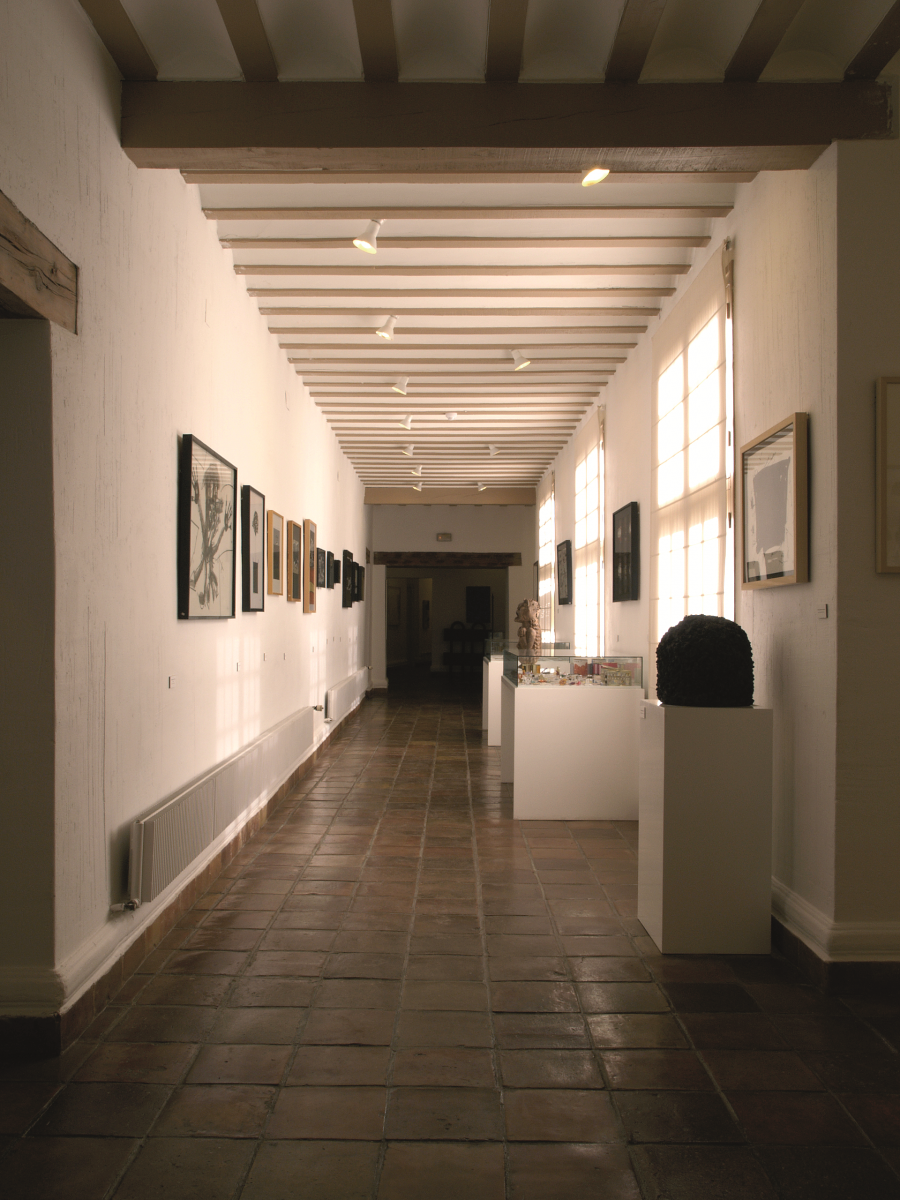
Located at the ¨Hanging houses¨, modernly reconstructed in 1966, the artist Fernando Zóbel placed his personal collection of spanish abstract art here and donated it to the Juan March Foundation just before he died. This museum displays the work of the most important non-figurative artists of the last century. Antonio Tapies, Antonio Saura, Eusebio Sempere, Gerardo Rueda, Gustavo Torner, Jose Guerrero, Eduardo Chullida, Pablo Serrano, Luis Feito, Rafael Canogar, Hernandez Mompó, Palazuelo and Fernando Zóbel himself.

Videos

Docs

spanish_painting_1960.pdf cuenca_ciudad_abstracta_18_mb.pdf city_spanish_abstraction_5_mb.pdf

Contemporary Art Center Antonio Pérez Foundation


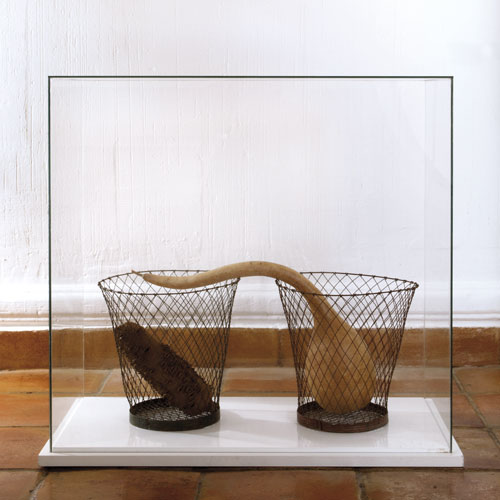
Located at what was once a Barefoot Carmelite Convent, it brings together the work of renowned contemporary artists, Spanish and foreign. In it you can see the work of such artists as: Millares, Gordillo, Torner, Saura, Equipo Cronica and the new found collection of objects by Antonio Pérez.
 

Videos

Subscribe to RSS - All year