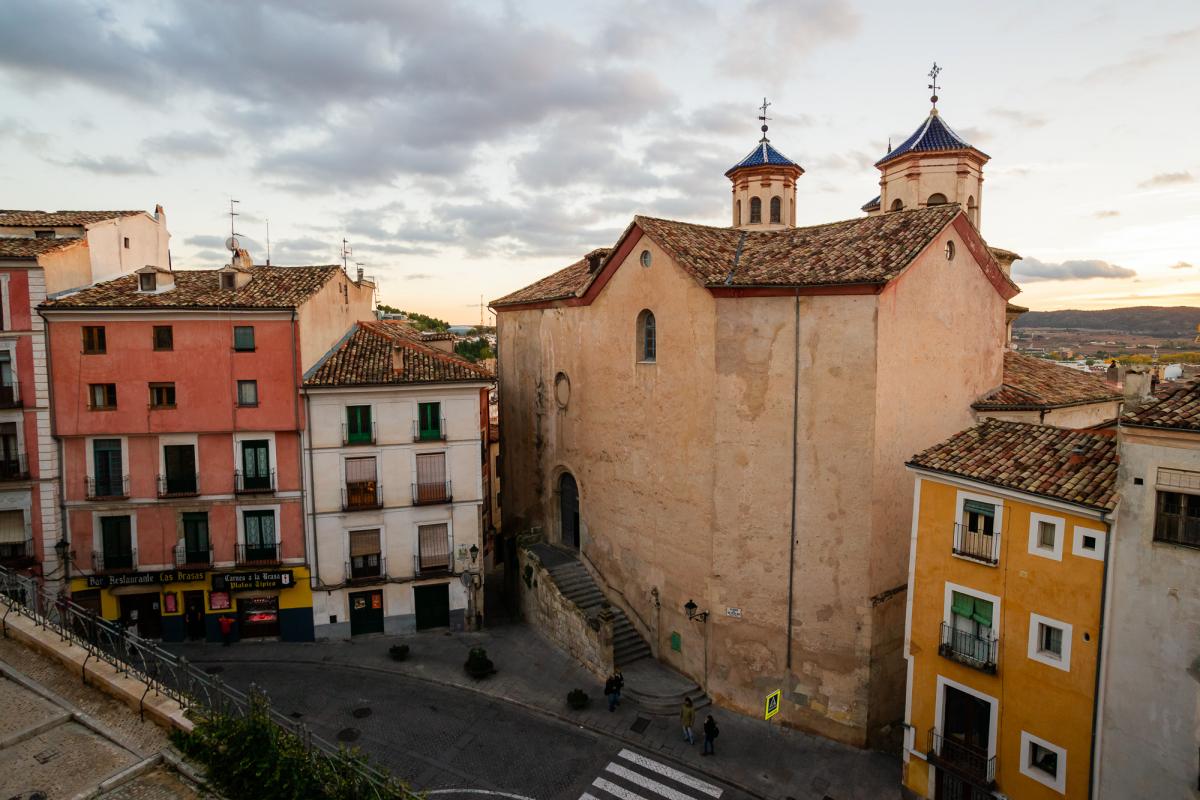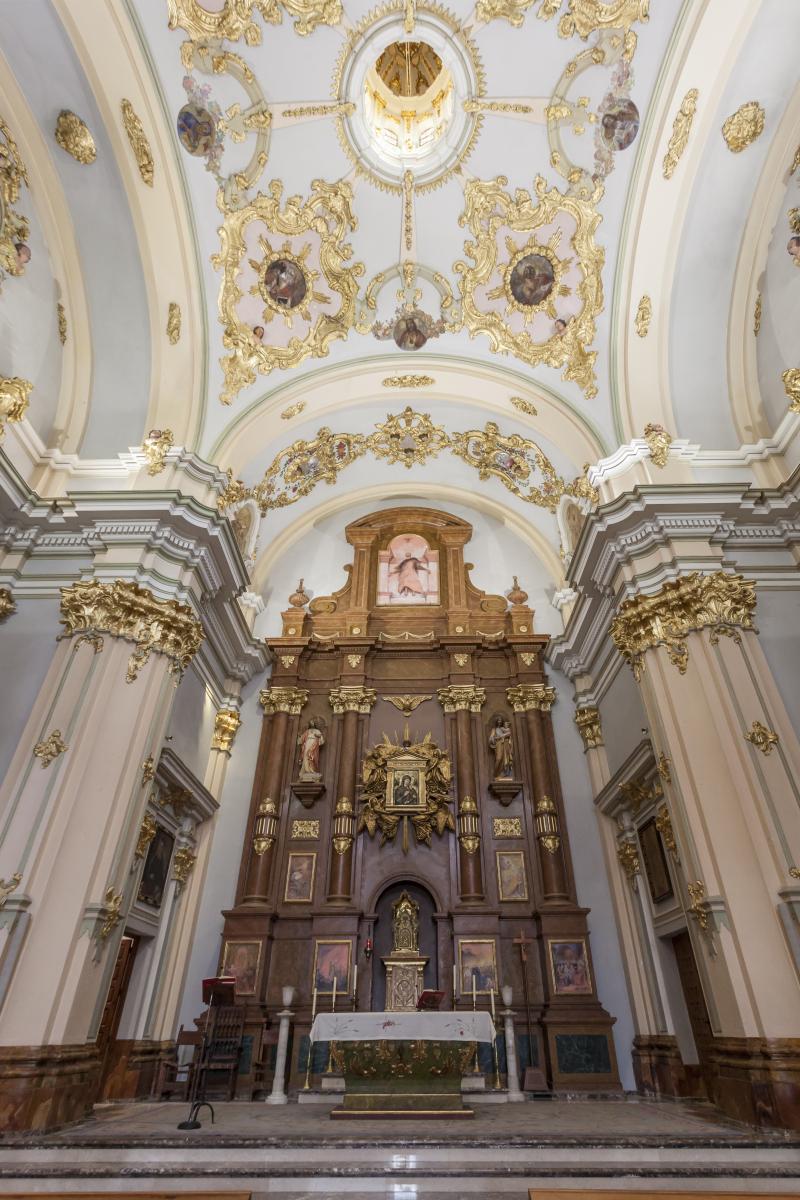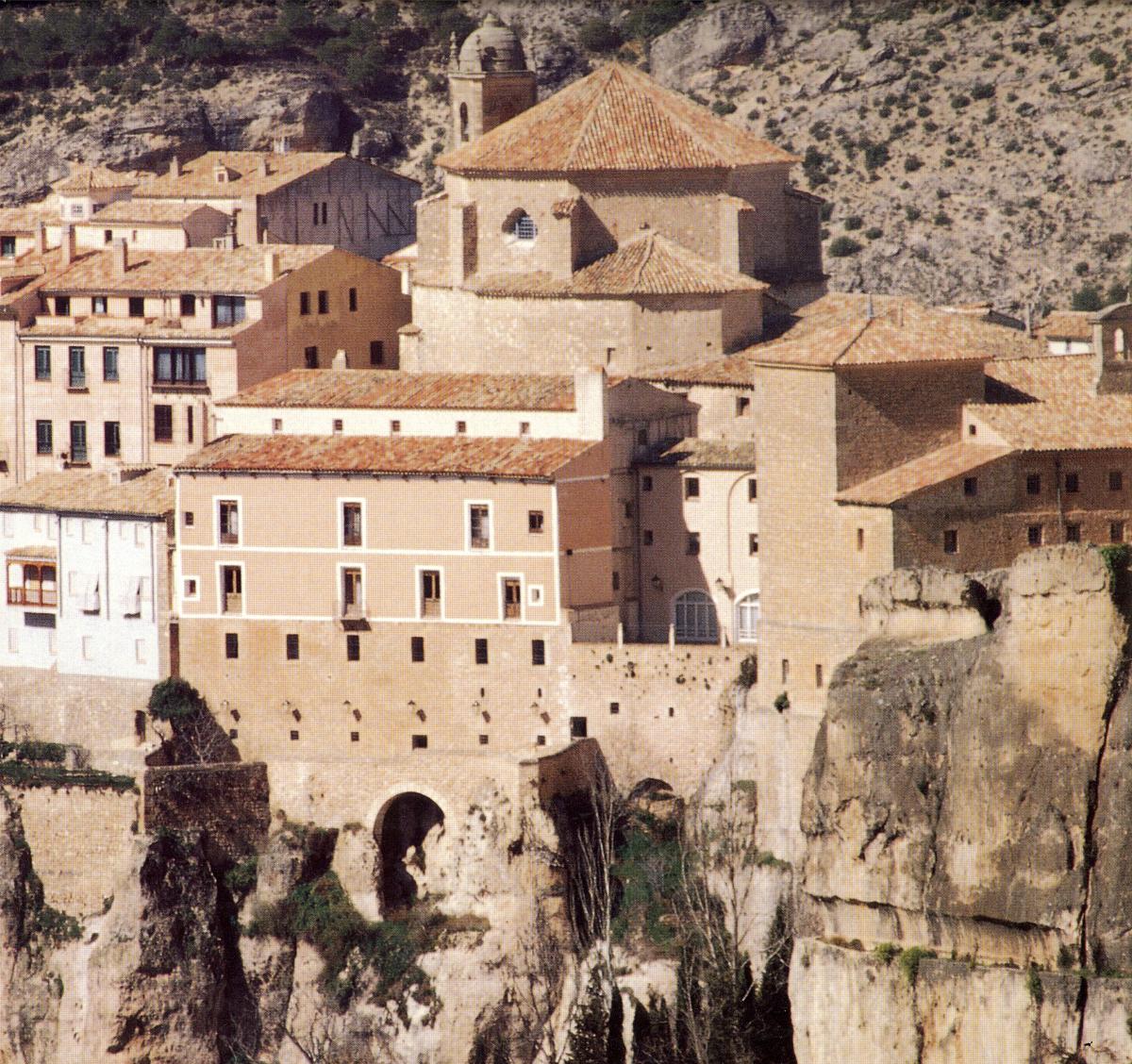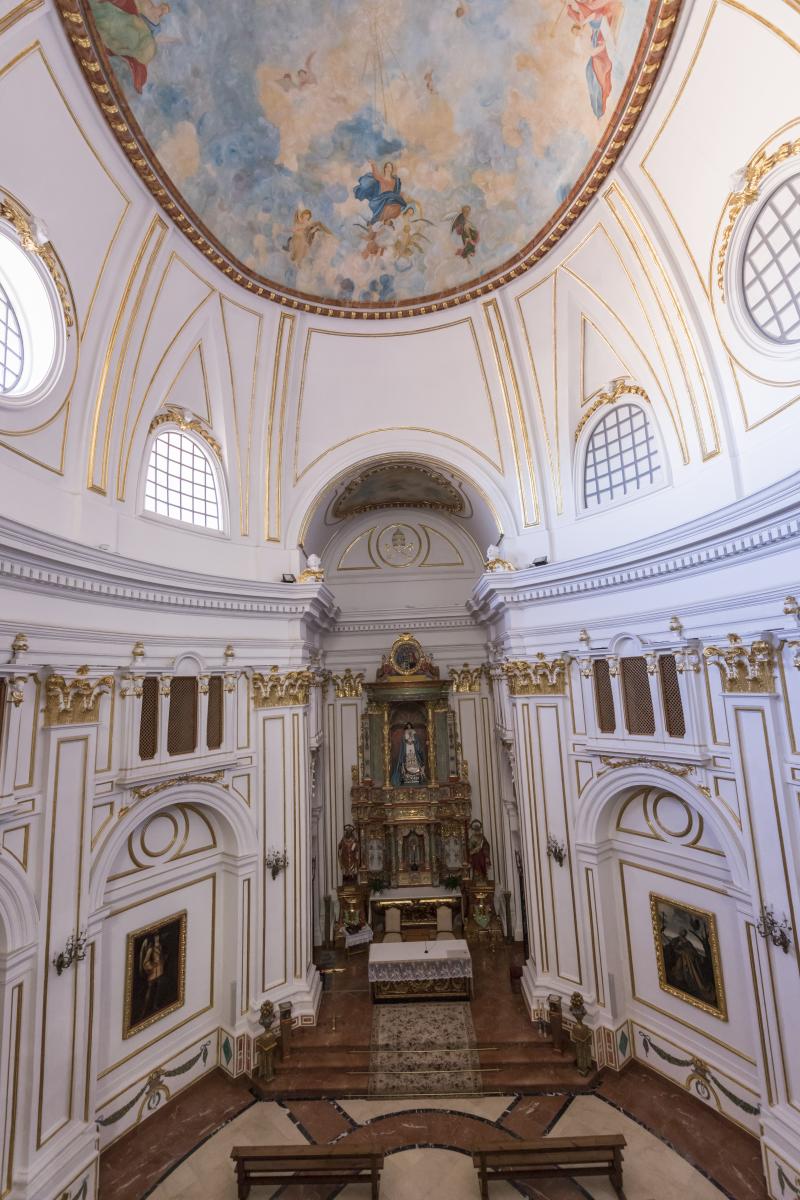
San Felipe Neri Church
With magnificent Rococo décor.
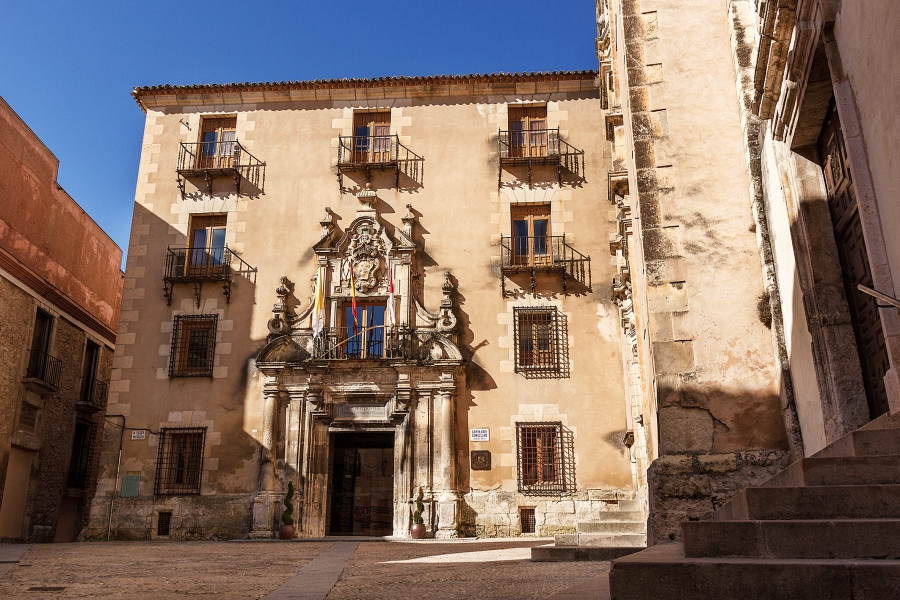
Manor street, it was the main road of Cuenca´s primitive core. On it, there were big old aristocratic houses which were usually accessed through spiked wood gates, stamped with shields. These houses had big balconies and windows with magnificent ironwork. Apart from these palace like houses, we can find various churches and convents.
Built in the XVII century to host a community of Carmelitas Descalzas, it is one of the most original and beautiful big old houses in Cuenca. Of a quite irregular trace, we have to point out the convent part, Demandera´s house and the church. Purchased by the county council, it has been completely refurbished, housing to the Antonio Perez Foundation.
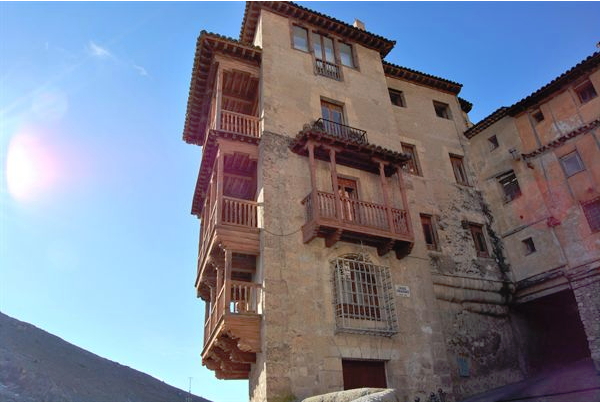
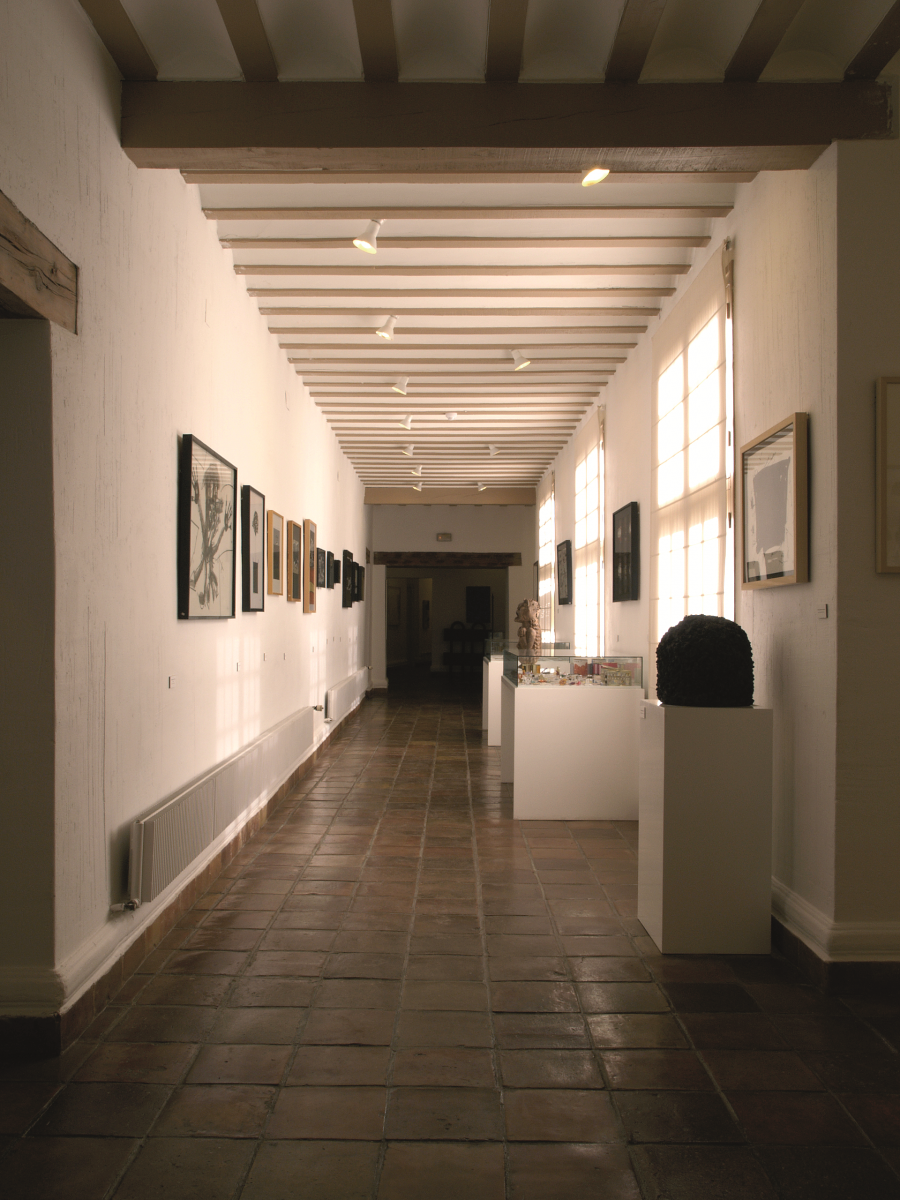
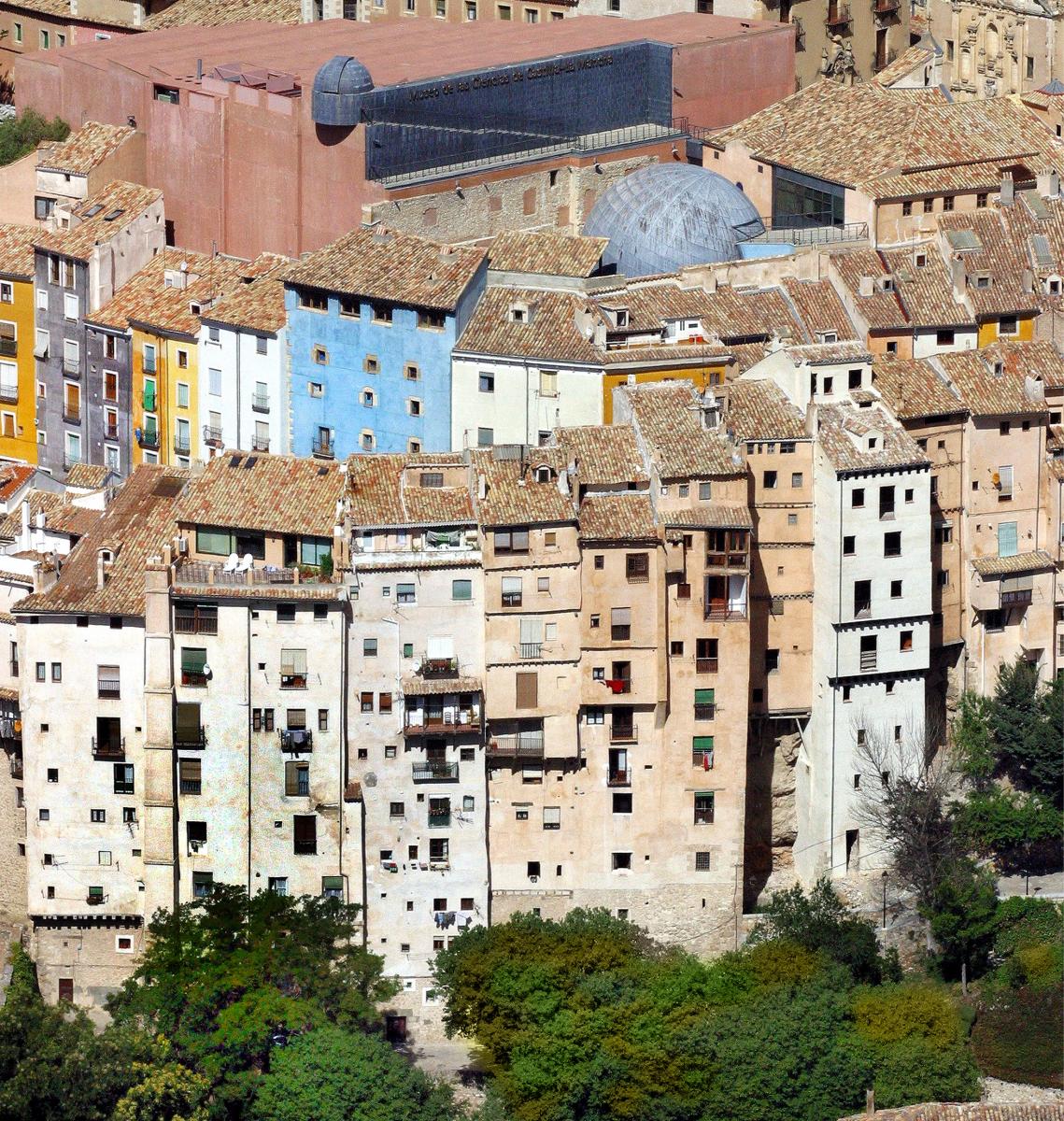
Located at the ¨Hanging houses¨, modernly reconstructed in 1966, the artist Fernando Zóbel placed his personal collection of spanish abstract art here and donated it to the Juan March Foundation just before he died. This museum displays the work of the most important non-figurative artists of the last century. Antonio Tapies, Antonio Saura, Eusebio Sempere, Gerardo Rueda, Gustavo Torner, Jose Guerrero, Eduardo Chullida, Pablo Serrano, Luis Feito, Rafael Canogar, Hernandez Mompó, Palazuelo and Fernando Zóbel himself.
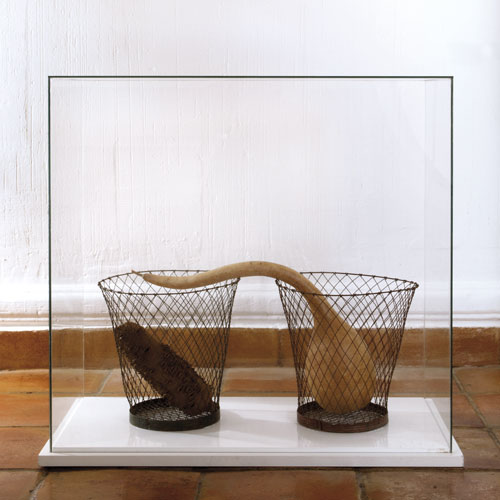
Located at what was once a Barefoot Carmelite Convent, it brings together the work of renowned contemporary artists, Spanish and foreign. In it you can see the work of such artists as: Millares, Gordillo, Torner, Saura, Equipo Cronica and the new found collection of objects by Antonio Pérez.
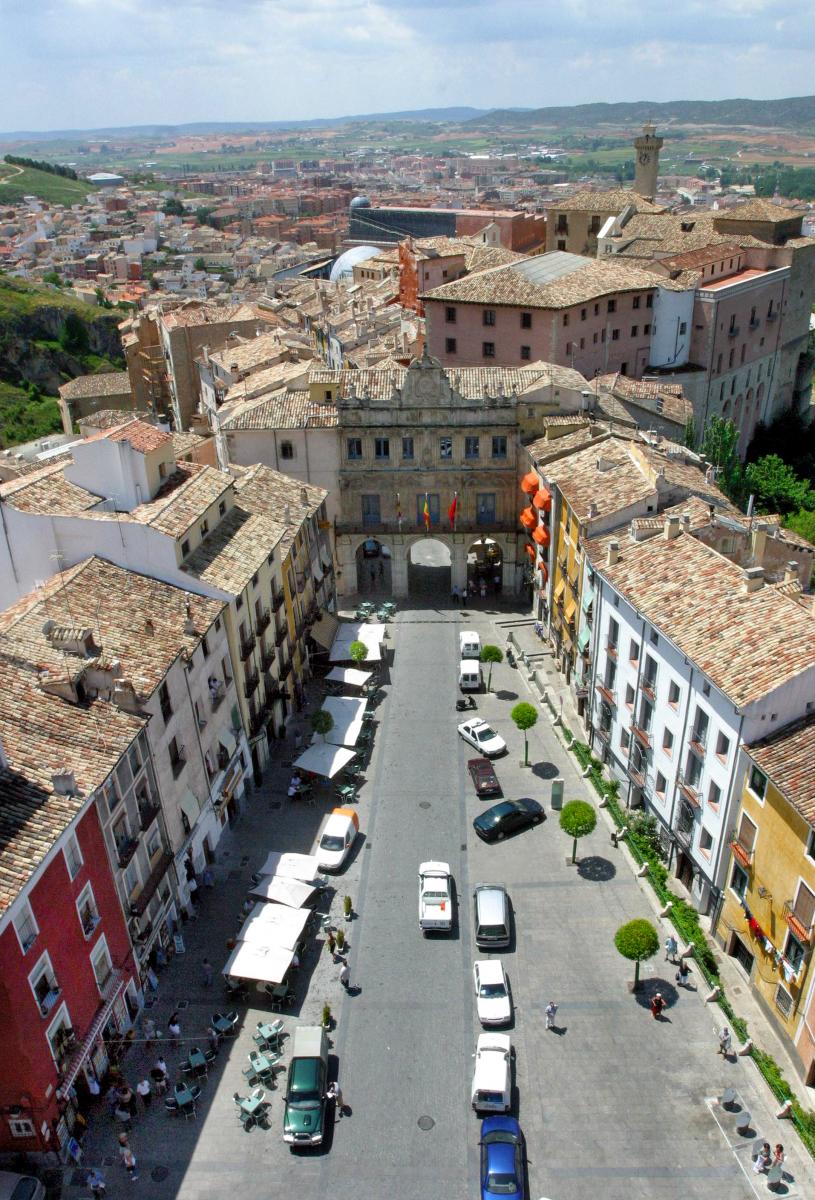
Irregular surface, approximately trapezoidal, authentic linking hub of a diversity of urban elements. At the entrance is the Town Hall, an impressive building from the time of king Carlos III raised on three round arches.
Group of popular character homes, distributed in many different intercrossed streets. Through one of them, behind the Museum of Abstract Art, you can reach the remains of San Martin´s church, where you ca see an old Romanesque apse, as part of a garden enclosure.
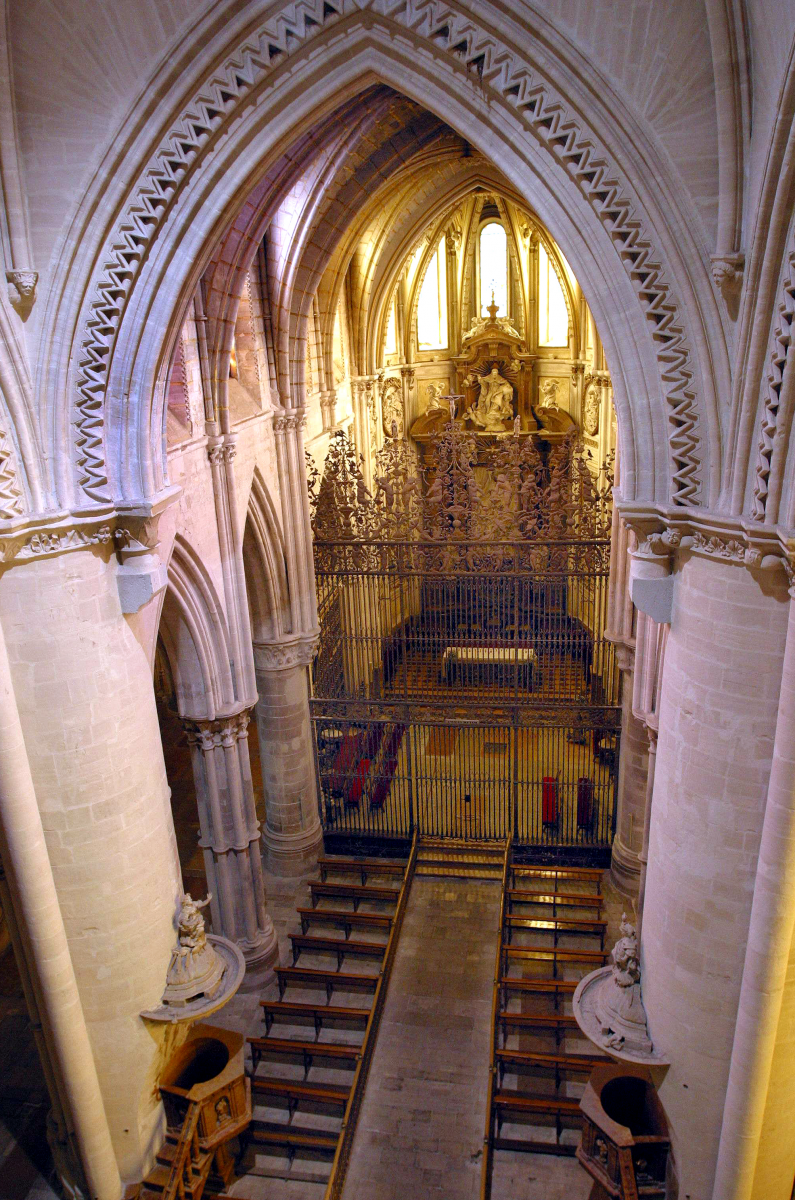
The most remarkable monument in Cuenca, its construction began at the end of the XII century, but the main core took shape during the thirteenth; in the fourteenth the naves going from the transept to the front were erected; the retro-choir was transformed to adapt the original structure to the new aesthetic conceptions. This building´s first façade was also built around that time and later replaced during the XVIII century by another one which had to be demolished in the early twentieth century.
Enormous building facing three streets, with a beautiful church from the sixteenth century, renovated by Martin de la Aldehuela in the eighteenth.
Built in 1745 for Bishop Jose Flores Osorio. Erected on the remains of marquee de Siruela´s palace. Its great Baroque front stands out and a magnificent Gothic, by the Master of Horcajo